
Classical Antiquity
Greece, Rome, Persia, Han China, Mauryan India — the classical world.
Date source not yet attached to this catalogue record.
Figures of this eraLoaded catalogue matches

Homer
c. 800 BCE – 750 BCE
Poet · Author of the Iliad and the Odyssey

Nebuchadnezzar II
c. 642 BCE – 562 BCE
King of the Neo-Babylonian Empire · Destroyer of Jerusalem · Builder of Babylon

Sappho
c. 620 BCE – 550 BCE
Lyric Poet · The Tenth Muse

Lao Tzu
c. 601 BCE – 531 BCE
Philosopher · The Old Master

Cyrus the Great
c. 600 BCE – 530 BCE
Achaemenid King · Founder of the Persian Empire

Pythagoras
c. 570 BCE – 495 BCE
Mathematician · Philosopher · Founder of the Pythagorean Brotherhood
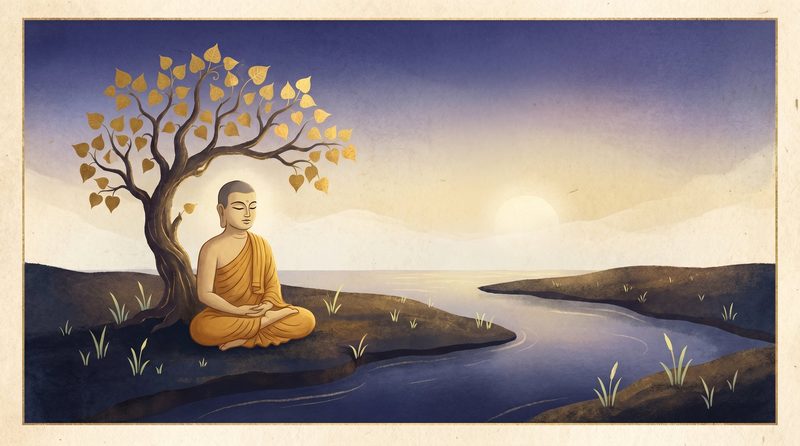
Siddhartha Gautama (The Buddha)
c. 563 BCE – 483 BCE
Religious teacher · Founder of Buddhism
Siddhartha Gautama (The Buddha)
563 BCE – 483 BCE
Religious teacher

Confucius
551 BCE – 479 BCE
Philosopher · Teacher · Sage of the East
Confucius
551 BCE – 479 BCE
Philosopher

Sun Tzu
c. 544 BCE – 496 BCE
Strategist · General · Author of the Art of War

Socrates
c. 470 BCE – 399 BCE
Athenian Philosopher · The Gadfly of Athens
Key events
Siddhartha Gautama teaches the Four Noble Truths.
A philosophy of ethics, family, and governance.
The largest empire yet known.
Romans expel the kings, establish the Republic.
Cleisthenes reforms Athens — birth of democracy.
Conquers from Greece to India, spreading Hellenism.
Qin Shi Huang becomes the First Emperor.
"The die is cast" — end of the Republic.
A Jewish teacher whose followers spread Christianity.
Rome reaches its greatest extent under Trajan.
Odoacer deposes the last emperor in the West.
Events and overlapping lifetimes are paginated below.