A life in 48 seconds.
Each Episode is six cinematic scenes with native voice-over — generated by Gemini 3 Pro stills, animated by Veo 3.1, and stitched into a single chaptered video.

428 – 347 BC
Plato
Founder of the Academy
The Athenian aristocrat whose Academy thought for nine centuries — and whose Republic still asks: what does justice look like?


c. 6th century BC
Lao Tzu
The Old Master
The keeper of the Zhou archives who left China for the western mountains — and gave the world the Tao Te Ching before vanishing into legend.


c. 1822 – 1913
Harriet Tubman
Moses of Her People
She escaped from slavery — then returned to the South thirteen times to lead seventy others north along the Underground Railroad.


1743 – 1803
Toussaint Louverture
Liberator of Haiti
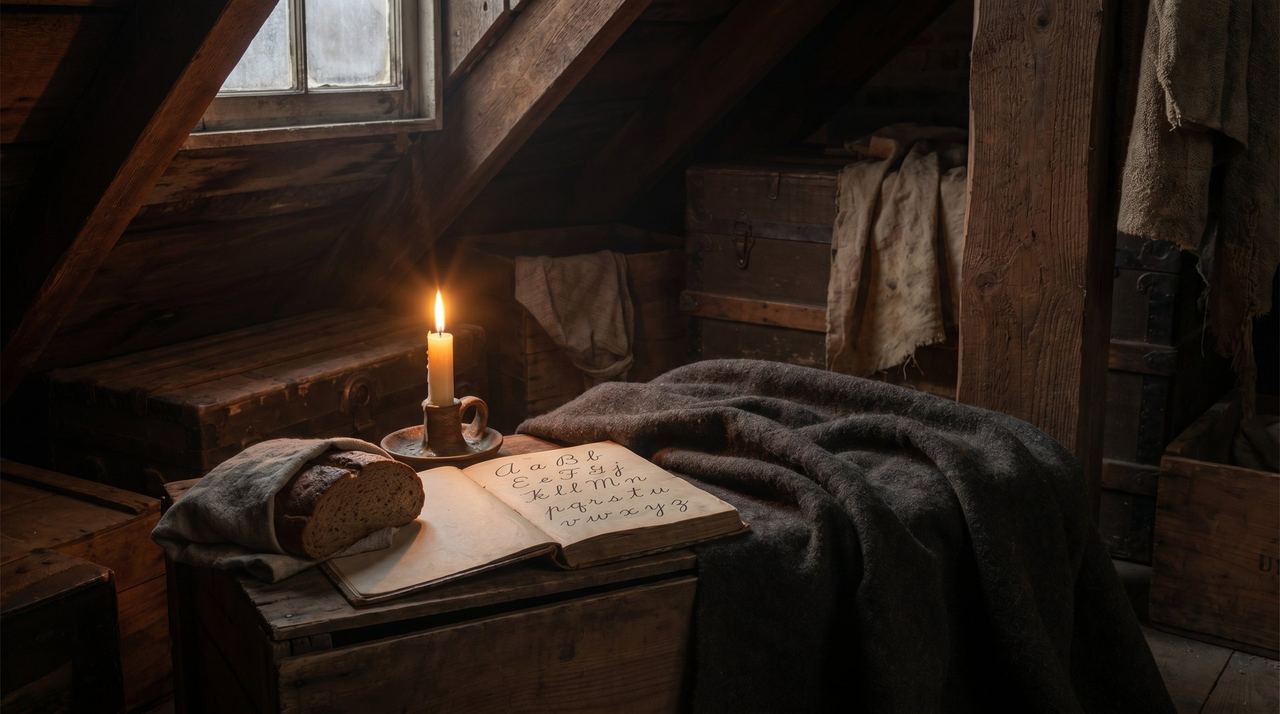
The enslaved Caribbean coachman who read Plutarch by candlelight — and led the only successful slave revolt in modern history.


1818 – 1895
Frederick Douglass
The Greatest Orator
Born into slavery, he taught himself to read in secret and rose to advise Lincoln on the war that ended American bondage.



476 – 550 CE
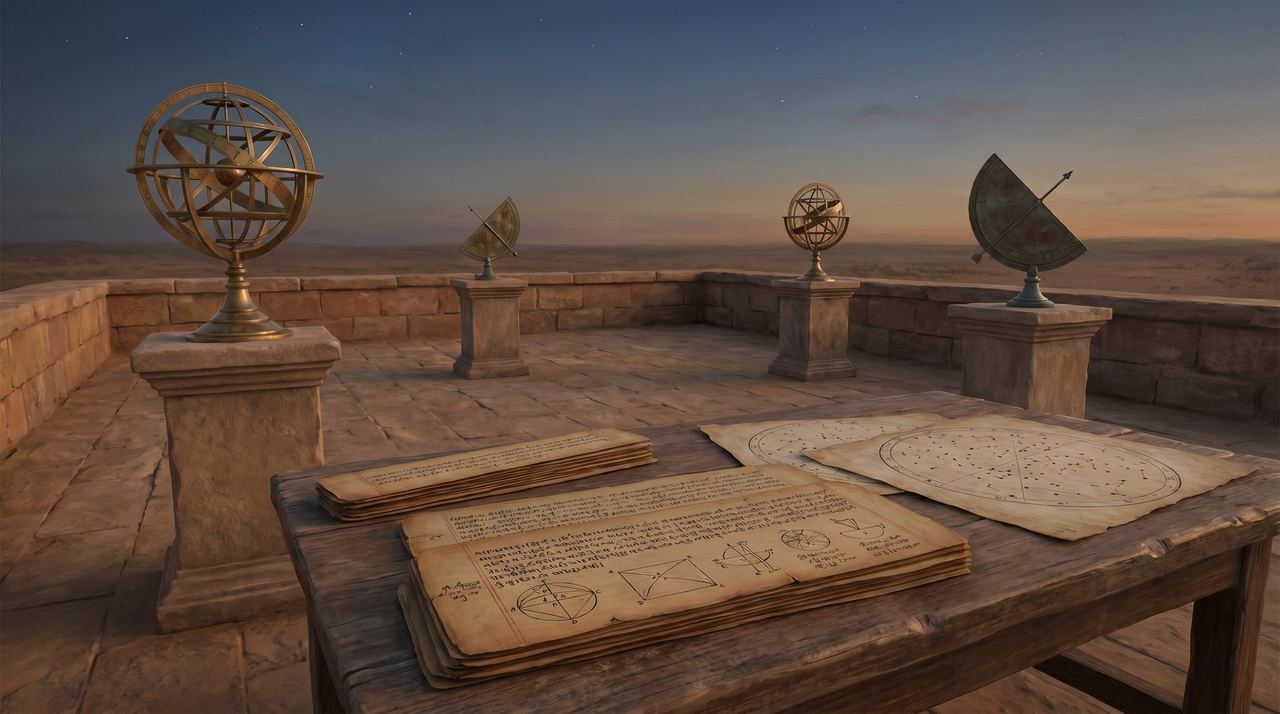
Aryabhata
The Mathematician of Pataliputra
The Indian astronomer who first wrote that the Earth turns, computed pi, and gave the world the zero.



c. 2700 – c. 2600 BCE
Imhotep
Architect, Healer, God
The commoner who built Egypt's first stone pyramid, wrote the first medical text — and was raised to godhood by the people he served.


c. 620 – 550 BCE
Sappho
The Tenth Muse
On the Aegean island of Lesbos she invented the lyric — and the first voice of longing in Western verse.


c. 1810 – 1750 BCE
Hammurabi
Lawgiver of Babylon
The Babylonian king who carved the first complete code of laws into black stone — and bound a civilization to it.




c. 780 – c. 850 CE
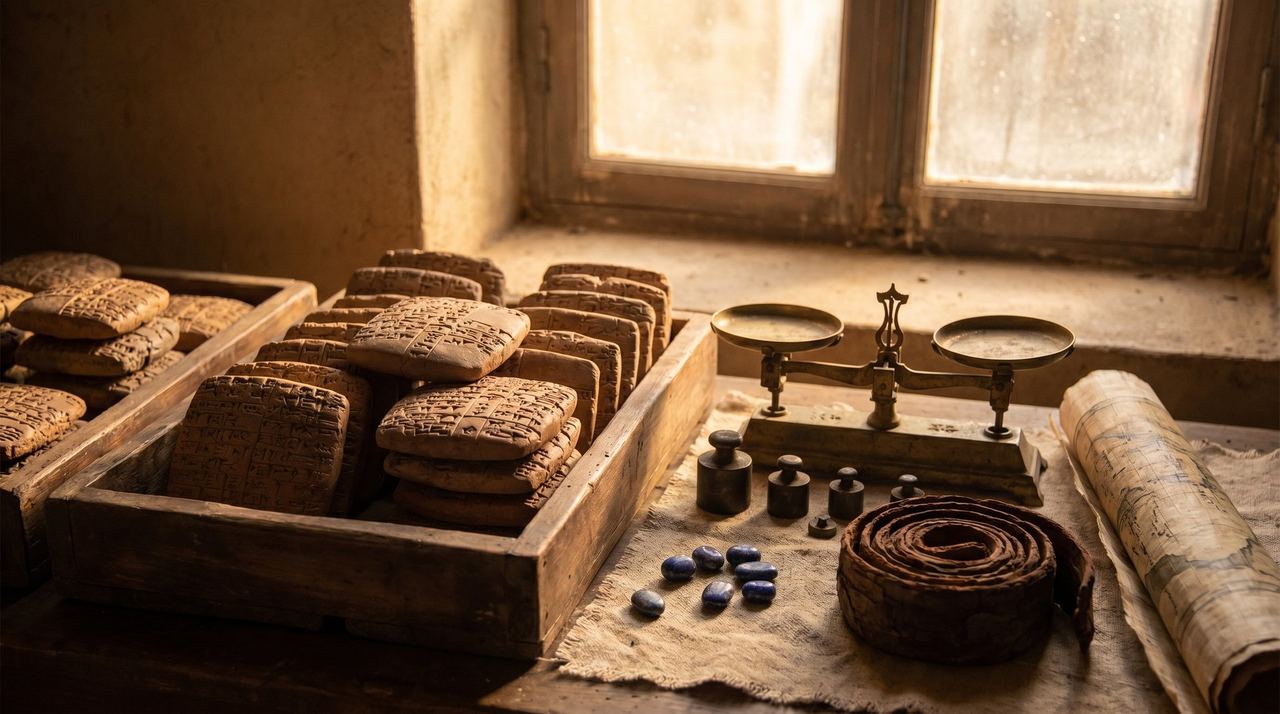
Al-Khwarizmi
Father of Algebra
The Persian polymath whose Latinized name became algorithm — and who carried the zero from India to the West.


1377 – 1446 CE
Brunelleschi
The Architect of the Renaissance
The Florentine goldsmith who solved an impossible vault — and gave Europe a new way of seeing.


c. 544 – 496 BCE
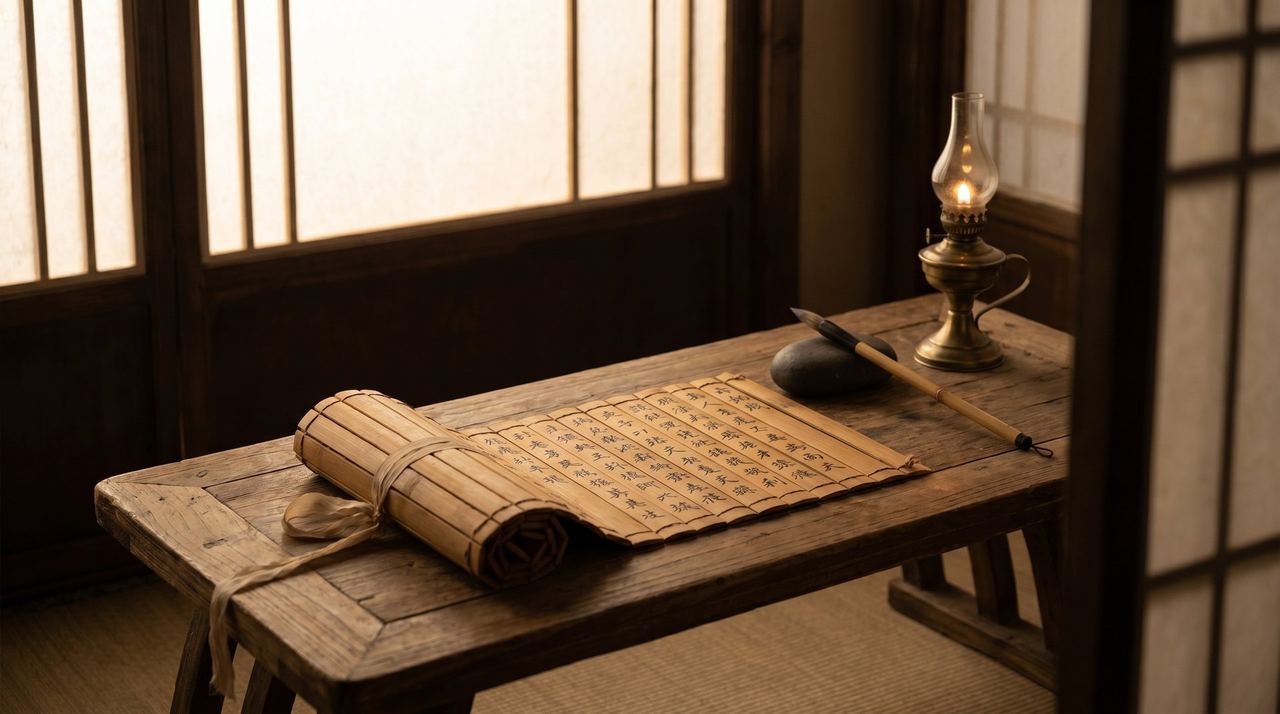
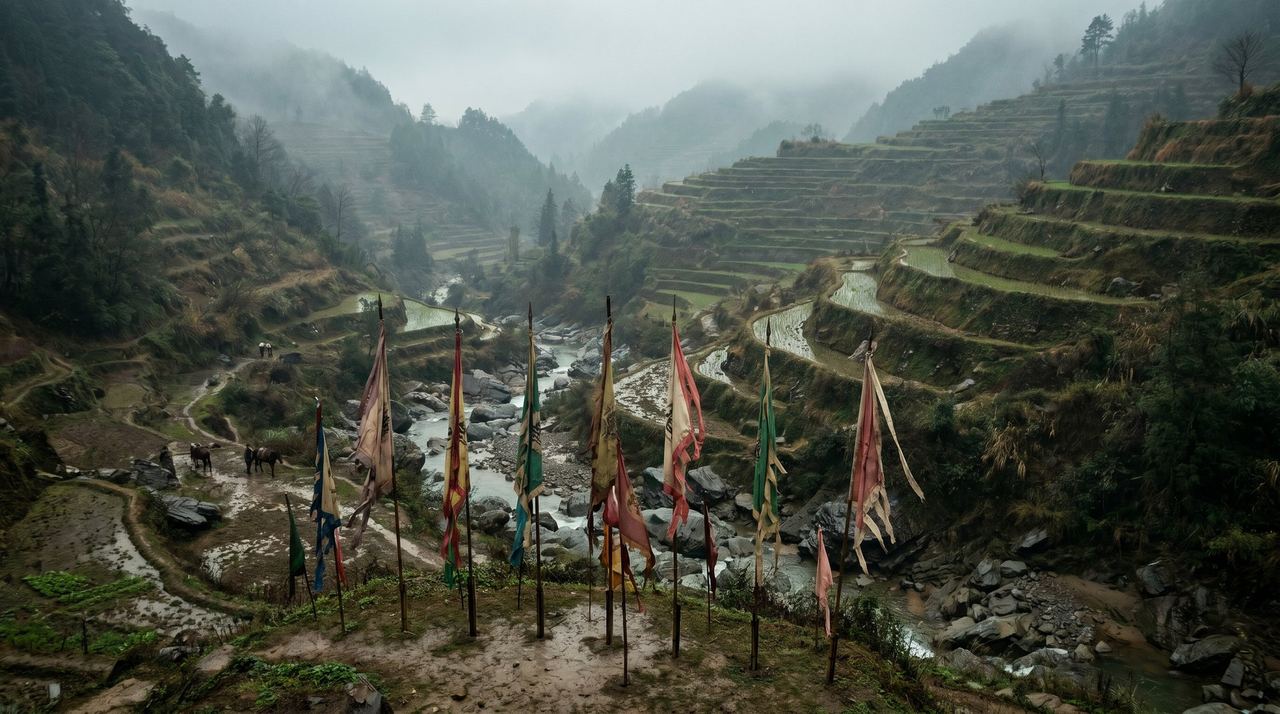
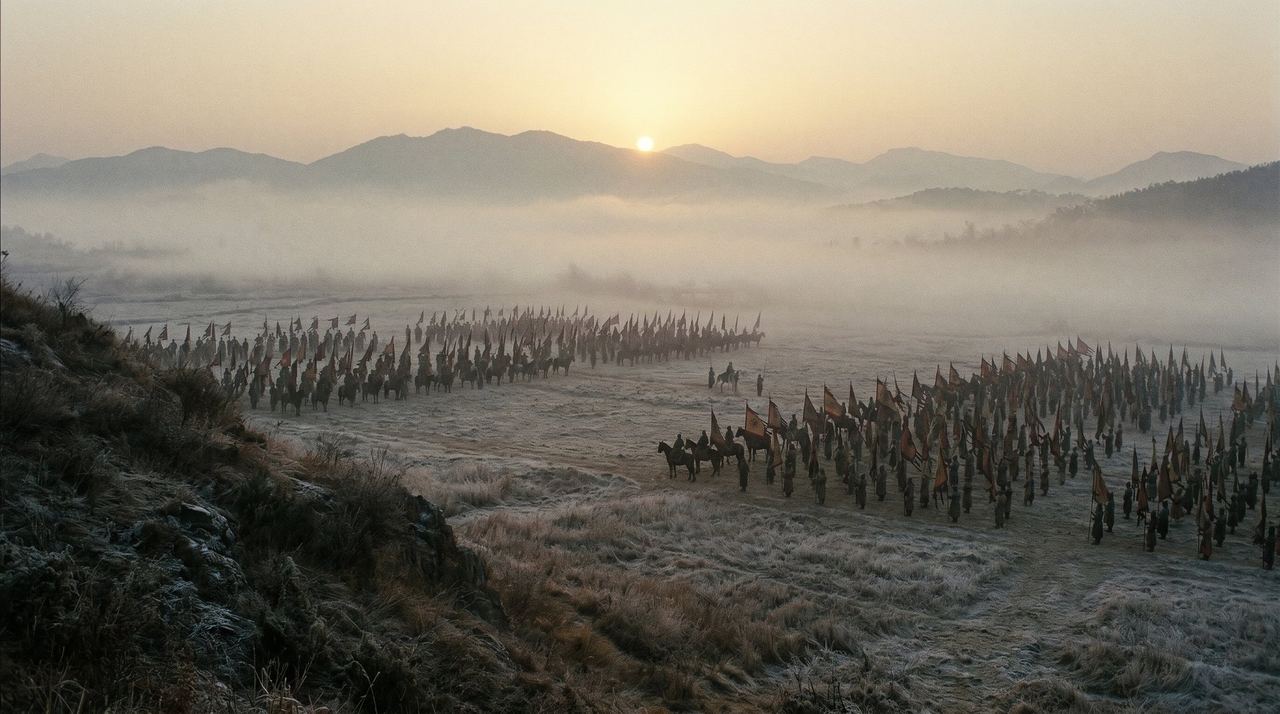
Sun Tzu
Master of the Art of War
The strategist of ancient Wu whose thirteen bamboo chapters still command boardrooms and battlefields twenty-five centuries on.




1483 – 1546 CE
Martin Luther
The Reformer
The German monk whose ninety-five theses split a continent — and gave Europe its scriptures in its own tongue.


1856 – 1943 CE
Nikola Tesla
Wizard of the Current
The Croatian-born engineer whose alternating current electrified the modern world — and whose name still rides on every electric car.


1207 – 1273 CE
Rumi
The Whirling Mystic
The Persian poet whose verses on love and longing — written in 13th century Konya — remain the bestselling poetry in America today.


1756 – 1791 CE
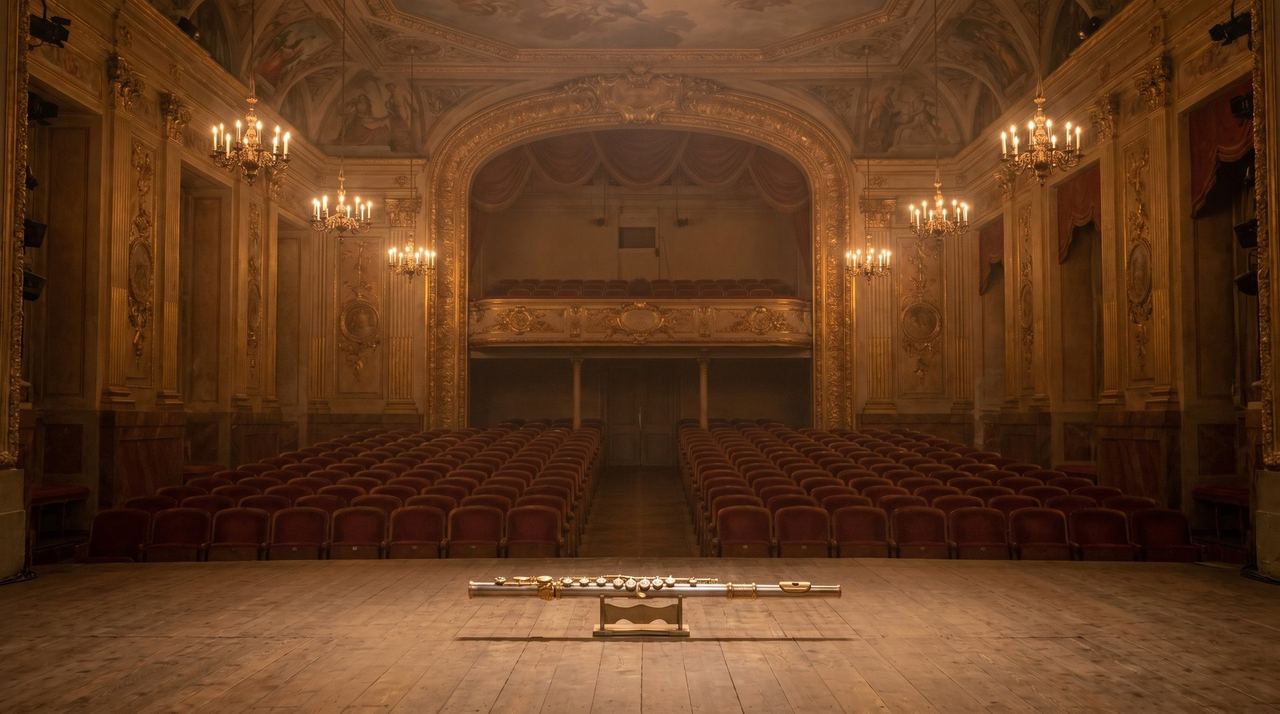
Mozart
The Genius of Salzburg
The Austrian prodigy who composed for emperors at six and reshaped Western music in thirty-five years.





1770 – 1827 CE
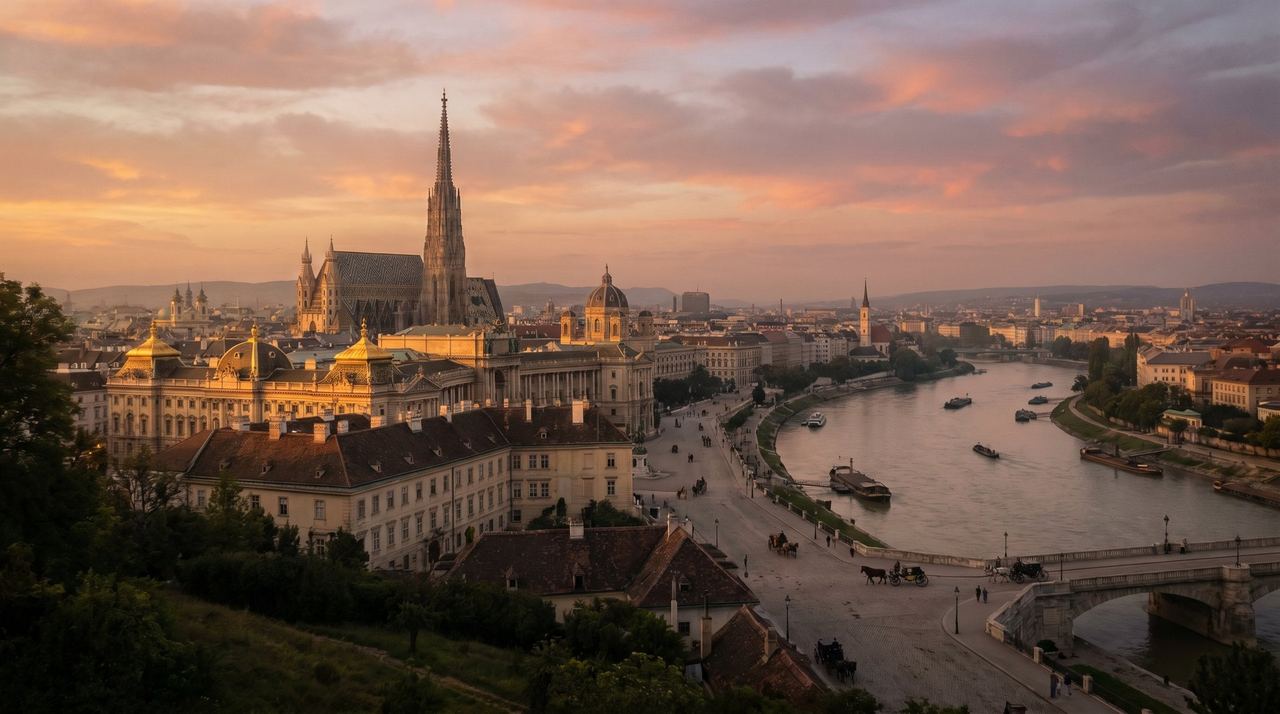
Beethoven
Symphonies of Defiance
The German composer who lost his hearing and gave the world the Ninth Symphony — music that summoned all of humanity to a single chord.


1867 – 1934 CE
Marie Curie
Two Nobels
The Polish-French physicist who discovered radium, won two Nobel Prizes in two different sciences, and refused to patent her work.


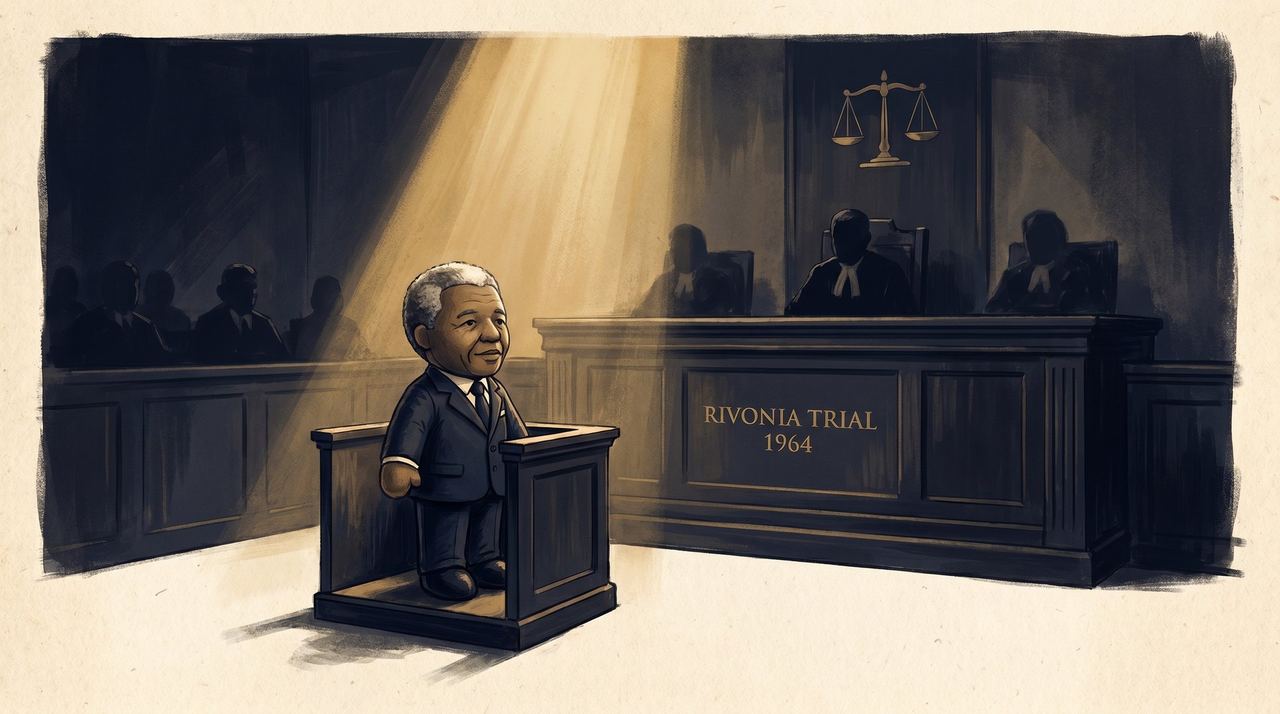
1918 – 2013 CE
Nelson Mandela
The Long Walk
The South African lawyer who walked twenty-seven years in prison to become his country's first Black president — and chose forgiveness over revenge.




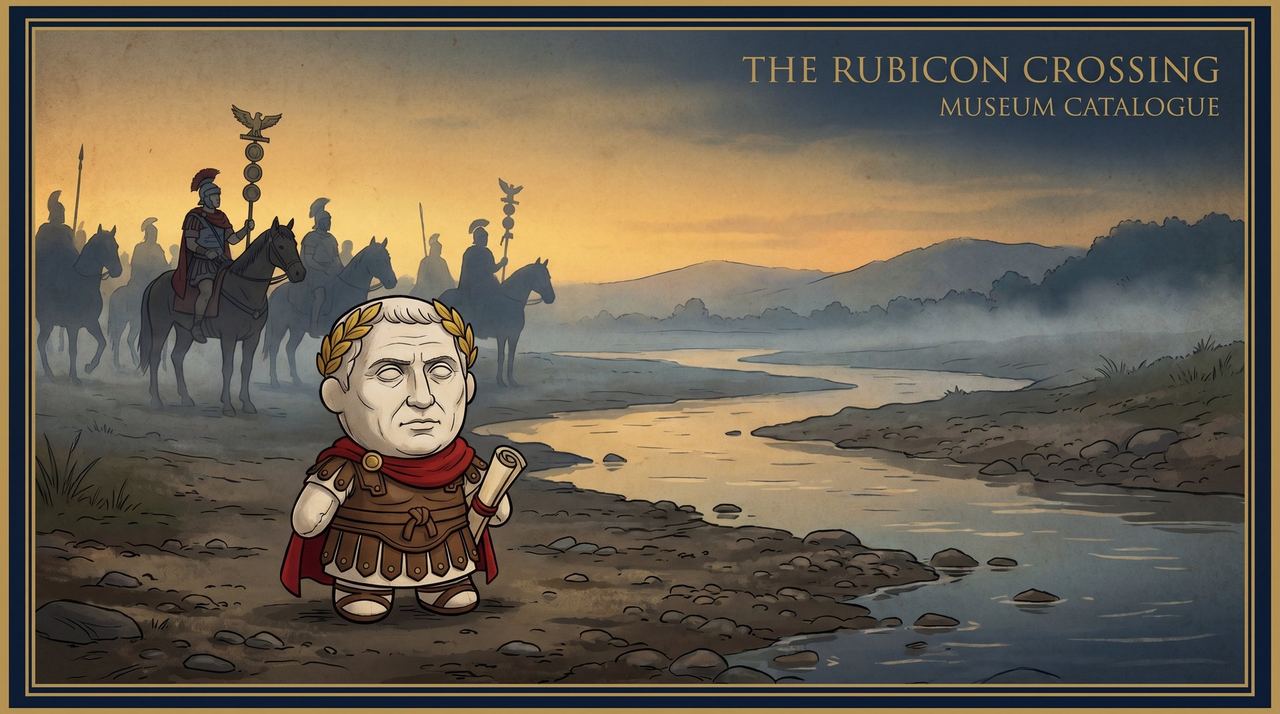
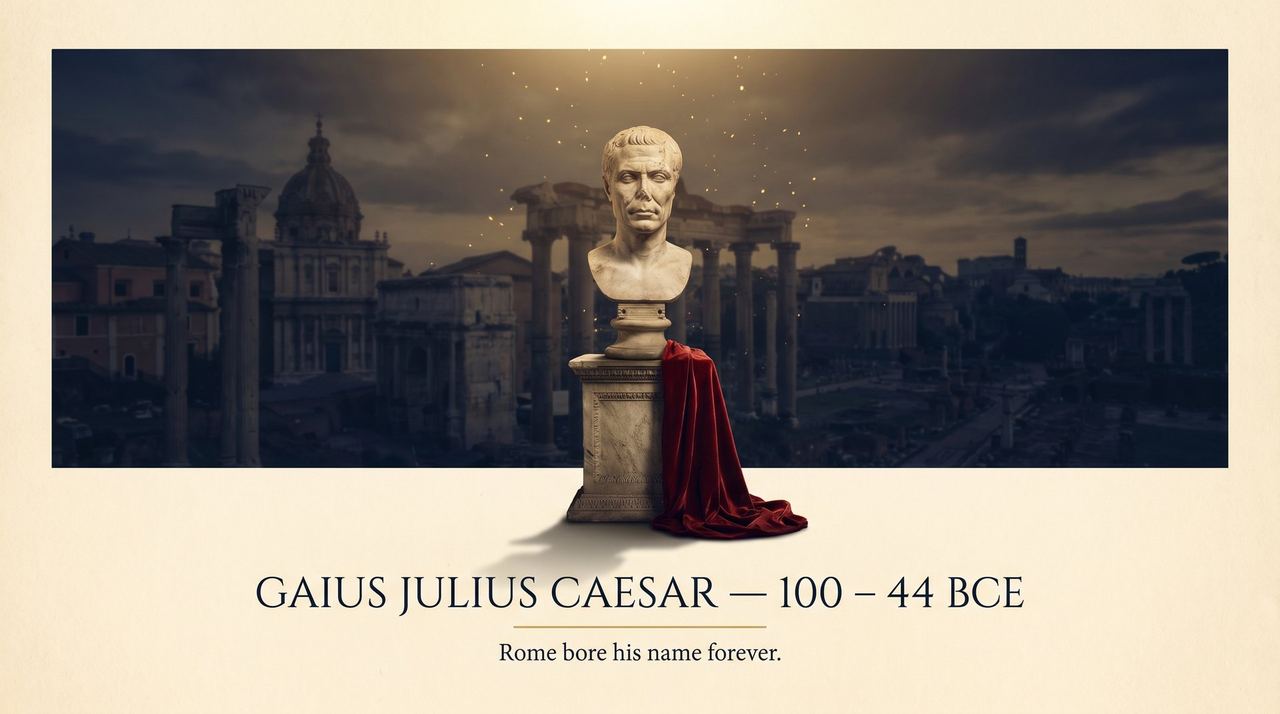
100 – 44 BCE
Julius Caesar
Veni Vidi Vici
The Roman general whose crossing of the Rubicon ended the Republic — and whose name became the title of every emperor who followed.



c. 1280 – 1337 CE
Mansa Musa
The Richest Man Who Ever Lived
The Mali emperor whose hajj reshaped a continent's economy — and put Timbuktu on the map.


c. 563 – 483 BCE
Siddhartha Gautama
The Awakening
The prince who saw sickness, age, and death for the first time outside his palace — and walked away from a kingdom to find an answer.


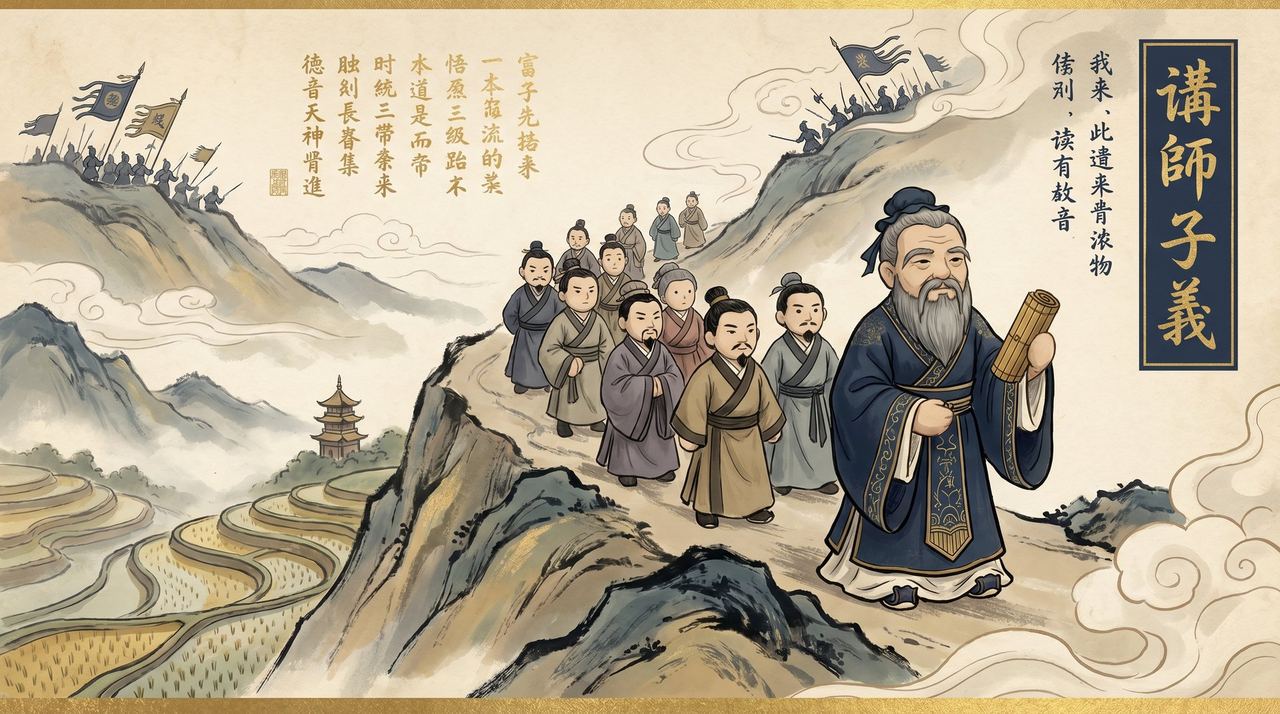
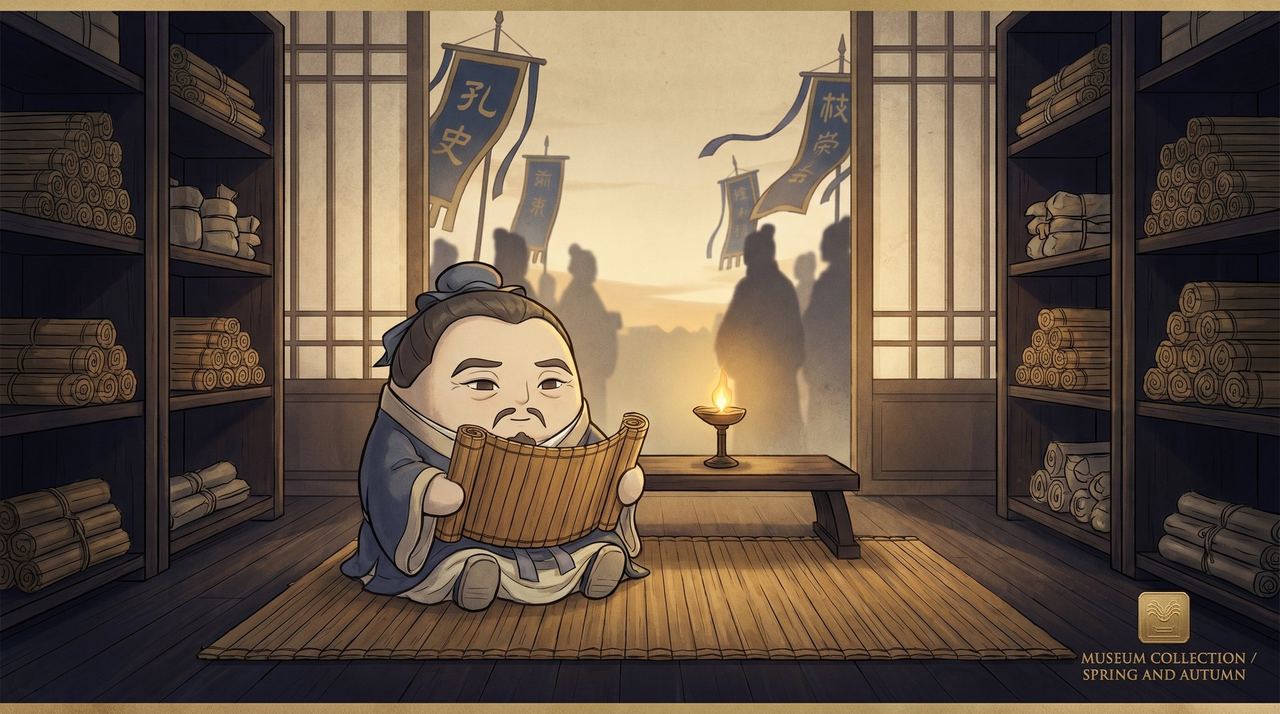
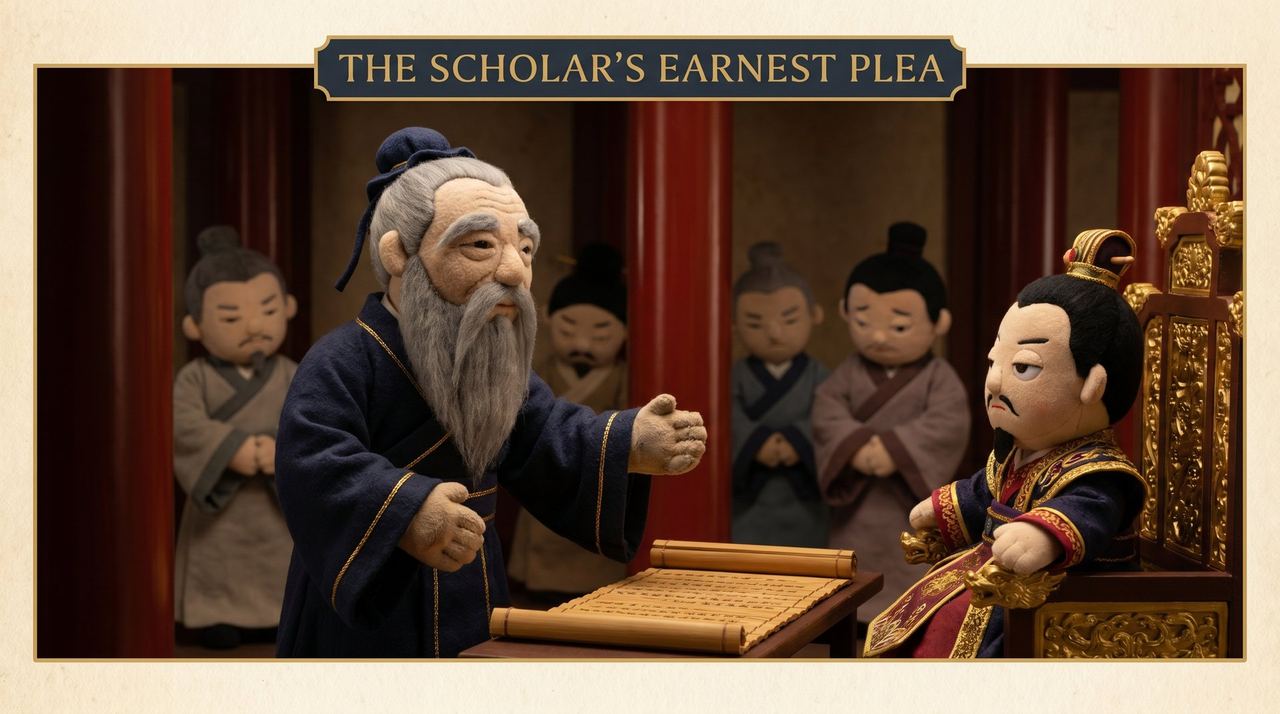
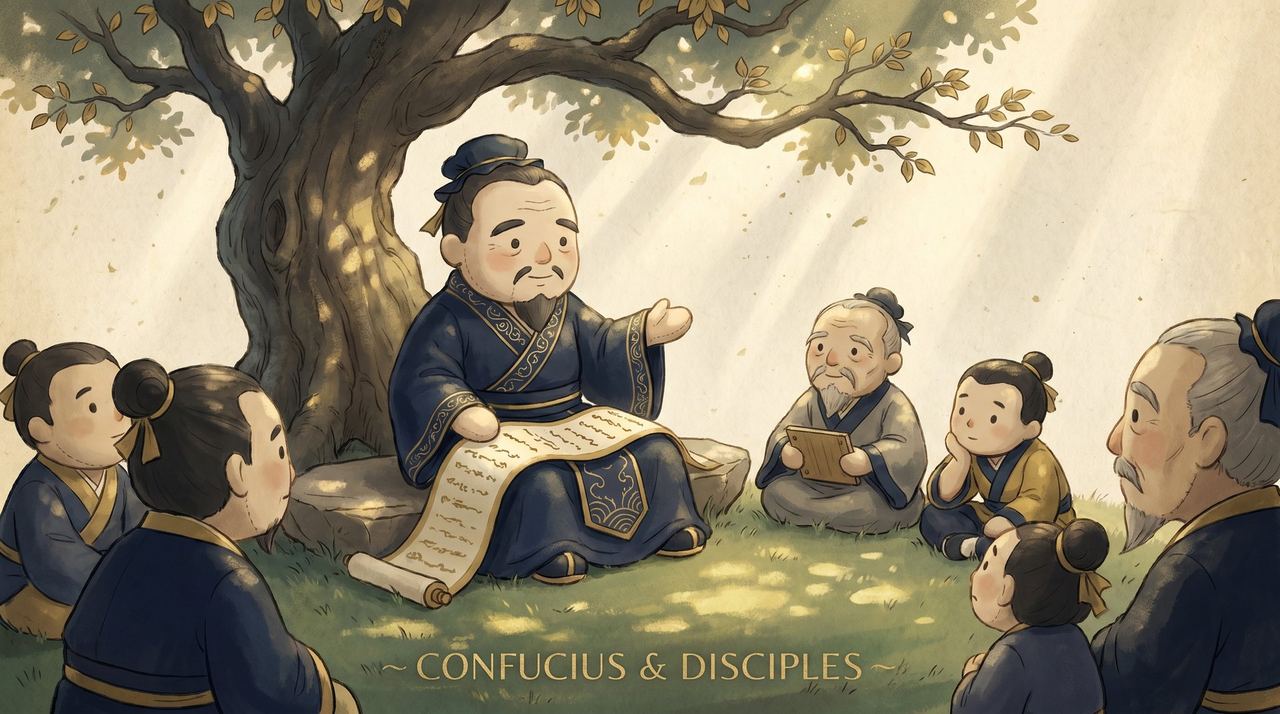
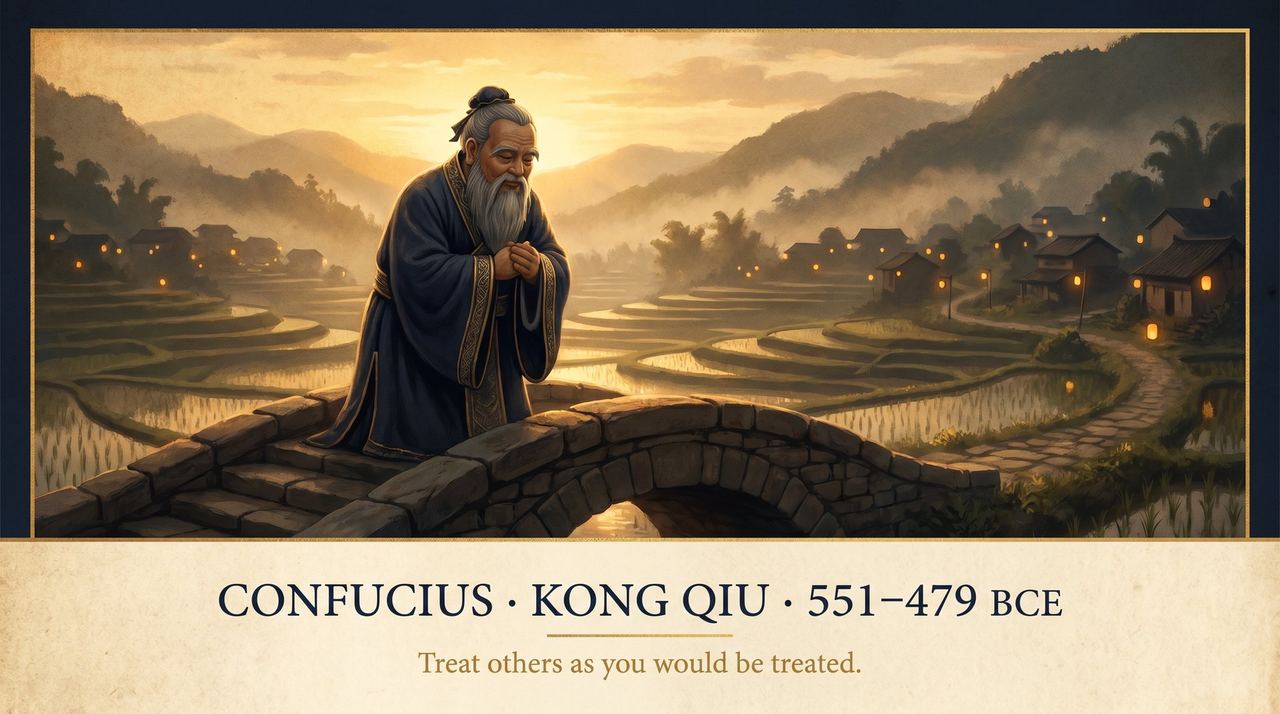
551 – 479 BCE
Confucius
The Analects
The Chinese teacher whose ethics of family, duty, and the past shaped a civilization for twenty-five centuries.

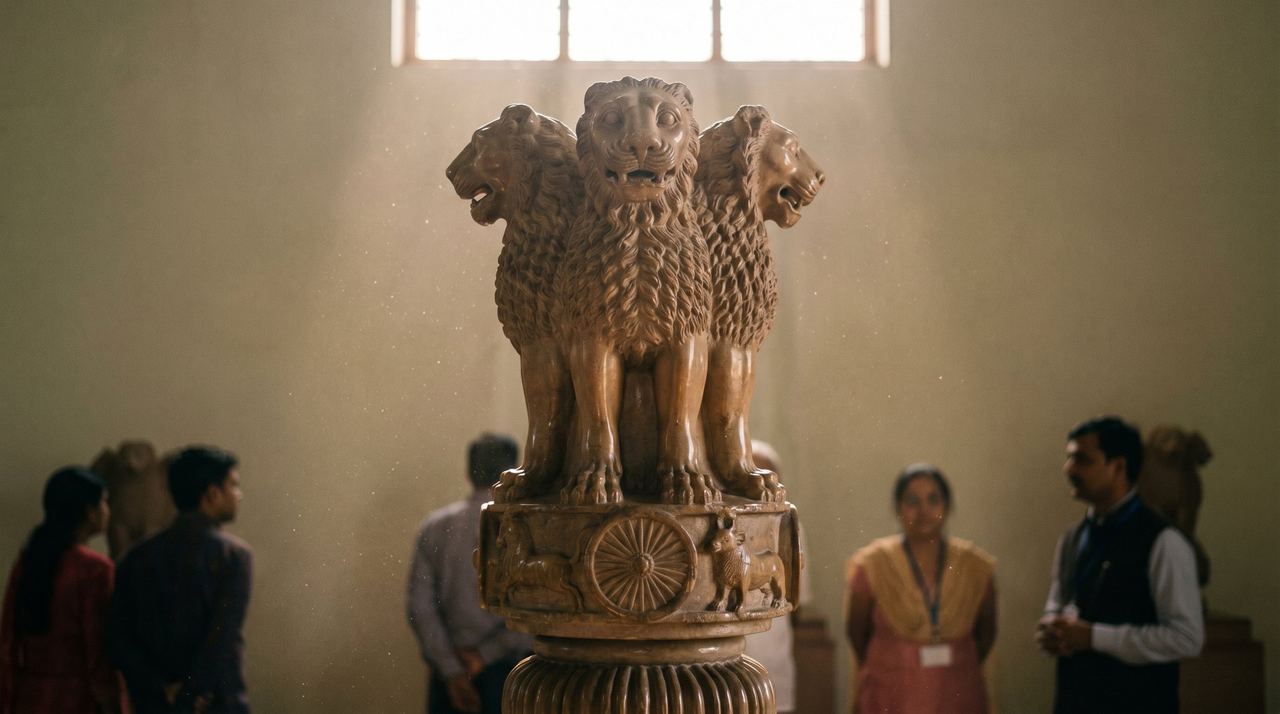
c. 304 – 232 BCE
Ashoka
The Conqueror Who Wept
The Mauryan emperor who turned from butchery to the Buddha — and carved compassion into stone.


259 – 210 BCE
Qin Shi Huang
The First Emperor
The man who unified China at the price of every other voice — and built an army of clay to guard him forever.


c. 1162 – 1227 CE
Genghis Khan
Universal Ruler
The orphaned boy of the steppe who united the Mongol tribes — and forged the largest contiguous empire the world has ever known.


980 – 1037 CE
Ibn Sina
Avicenna · Mind of the East
The Persian polymath whose Canon of Medicine taught Europe for six hundred years — and whose philosophy bridged Aristotle and Islam.


624 – 705 CE
Wu Zetian
China's Only Female Emperor
From Tang concubine to founder of her own dynasty — the woman who broke and remade an empire.


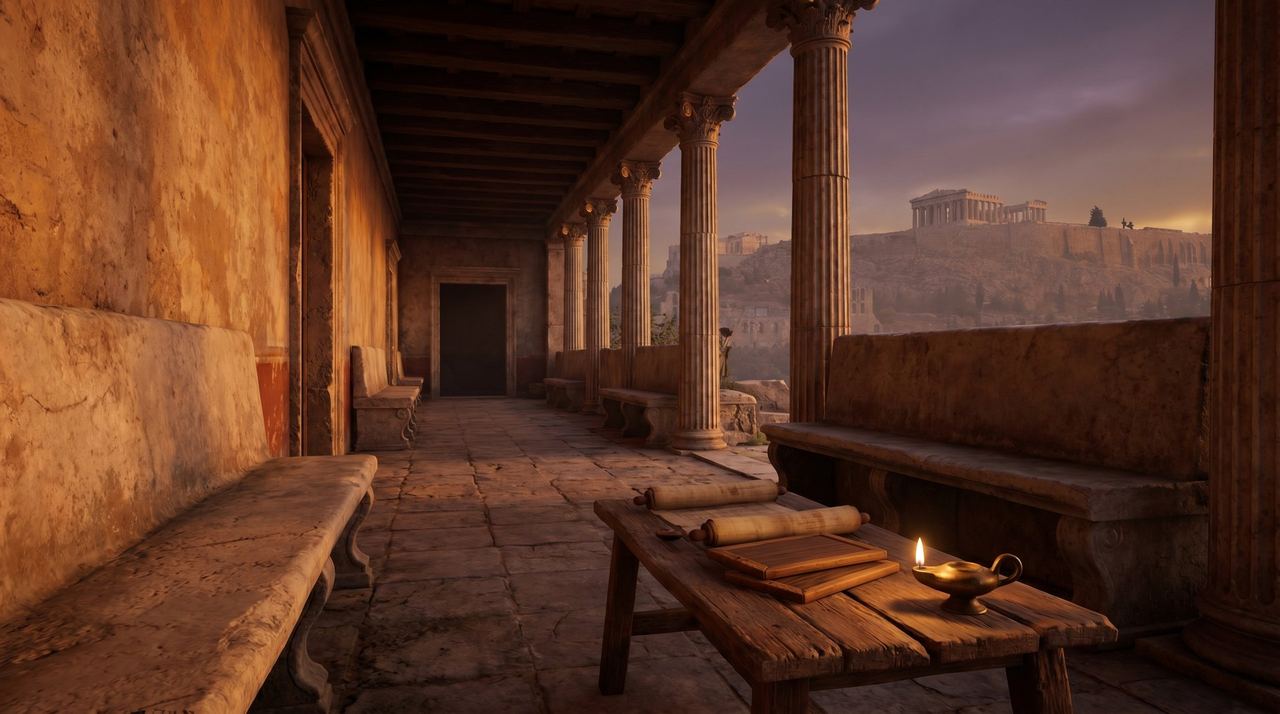
384 – 322 BCE
Aristotle
Master of Those Who Know
The Macedonian-born polymath who tutored Alexander, founded the Lyceum, and divided knowledge into the categories we still use today.


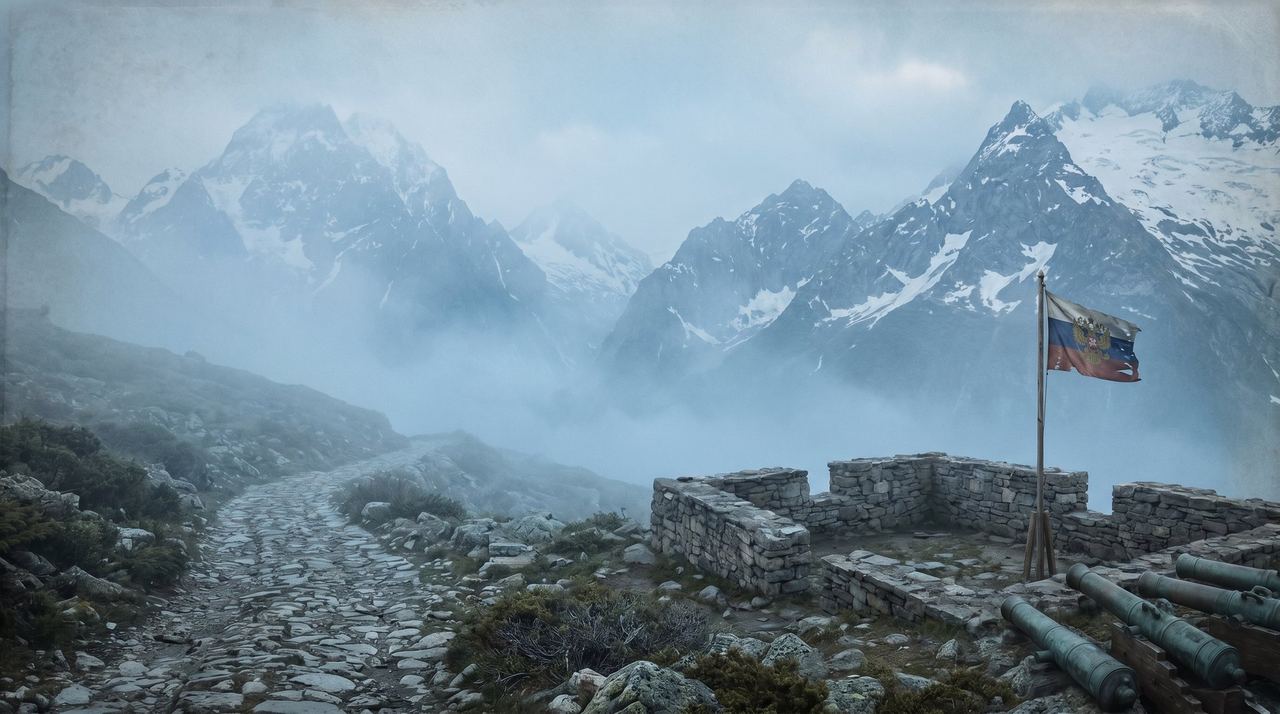
1828 – 1910 CE
Leo Tolstoy
The Conscience of Russia
The aristocrat who wrote a century into War and Peace — and died as a peasant fleeing his own life from a remote railway station.





c. 600 – 530 BCE
Cyrus the Great
Founder of the Persian Empire
The Achaemenid king who built the first multinational empire — and ruled it through tolerance.


1729 – 1796 CE
Catherine the Great
Empress of All the Russias
The German princess who took the Russian throne by force — and ruled it as the Enlightenment's most powerful patron.


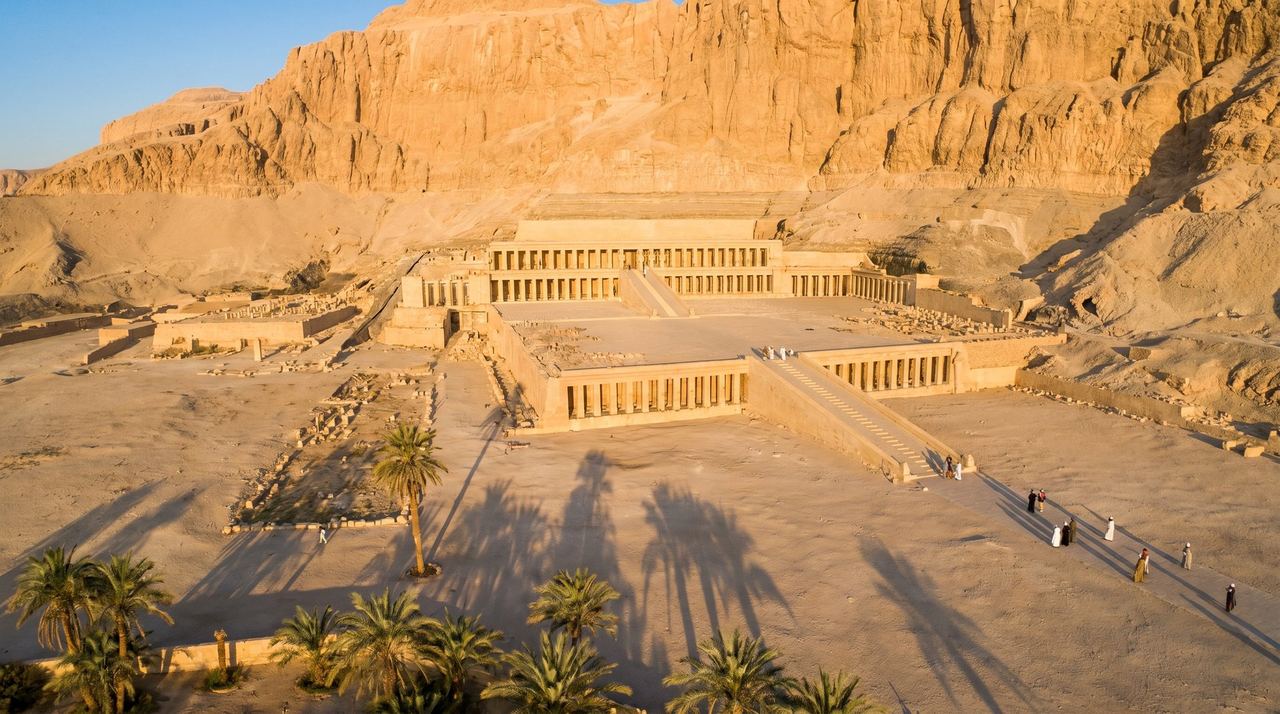
c. 1507 – 1458 BCE
Hatshepsut
The Pharaoh Who Was Erased
Egypt's most prosperous reign — until her name was chiseled away.


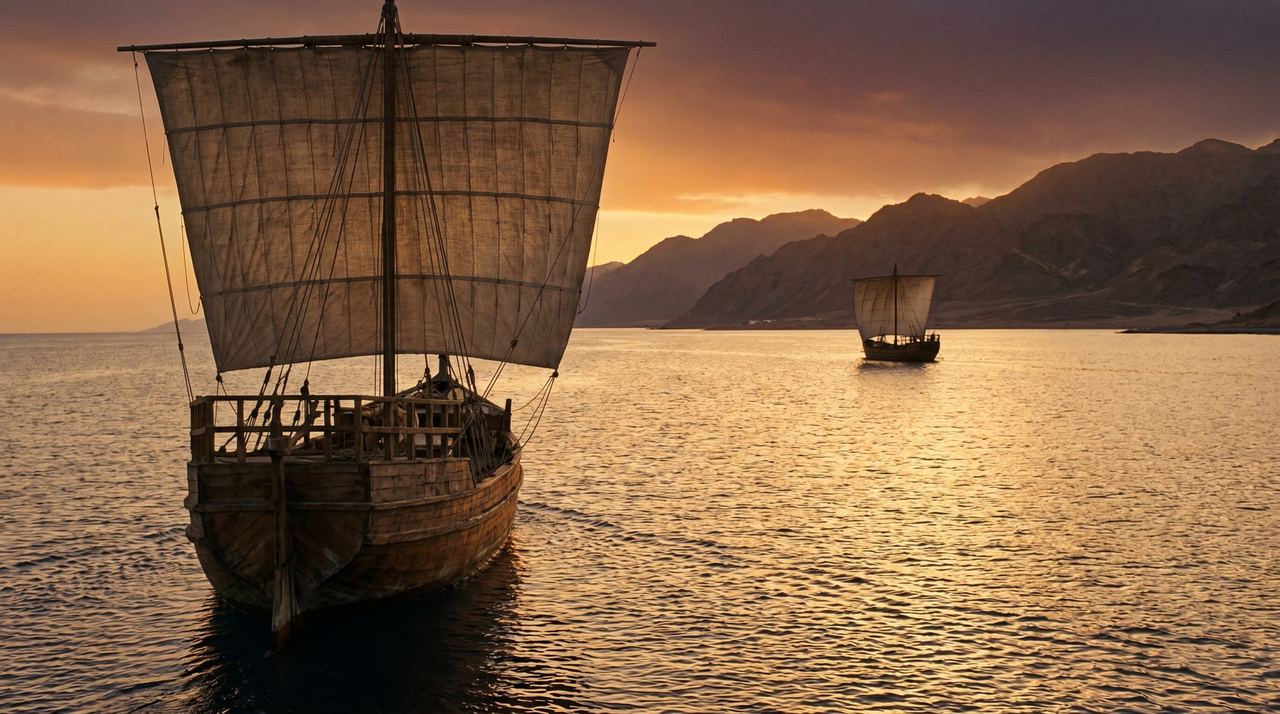
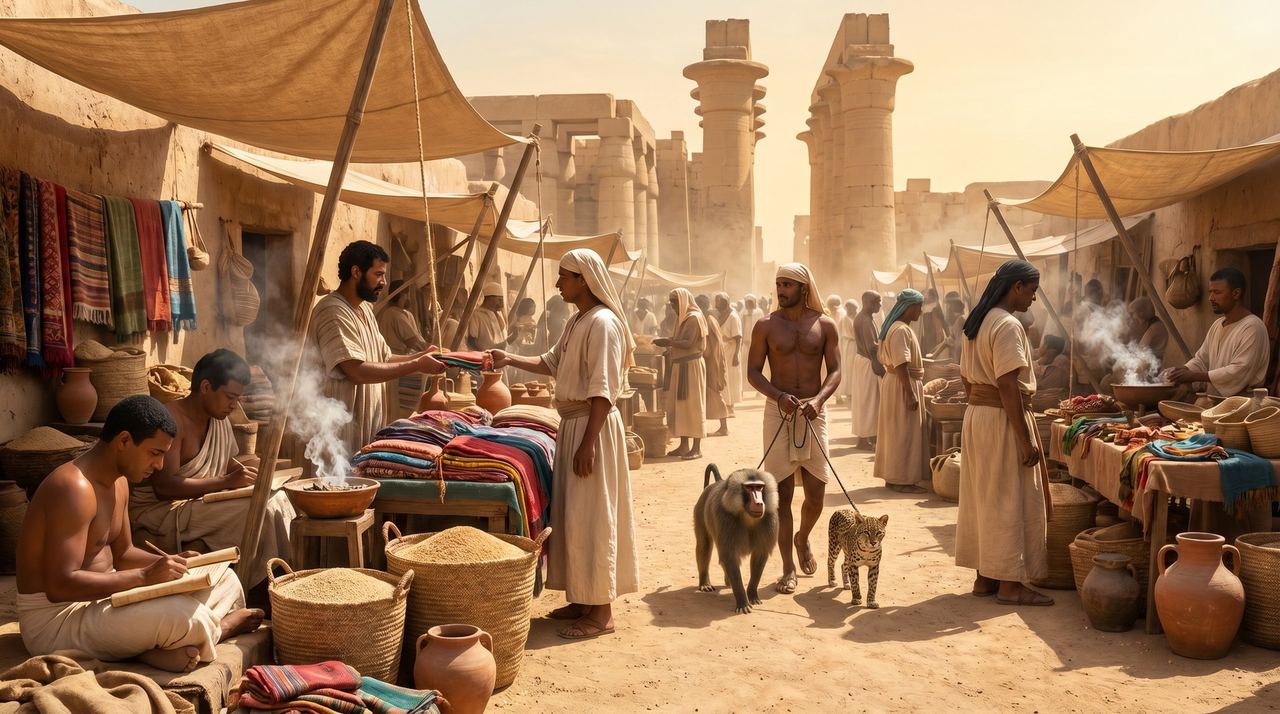


c. 1122 – 1204 CE
Eleanor of Aquitaine
Queen of France, Queen of England
The most powerful woman of the Middle Ages — twice queen, twice mother of kings.


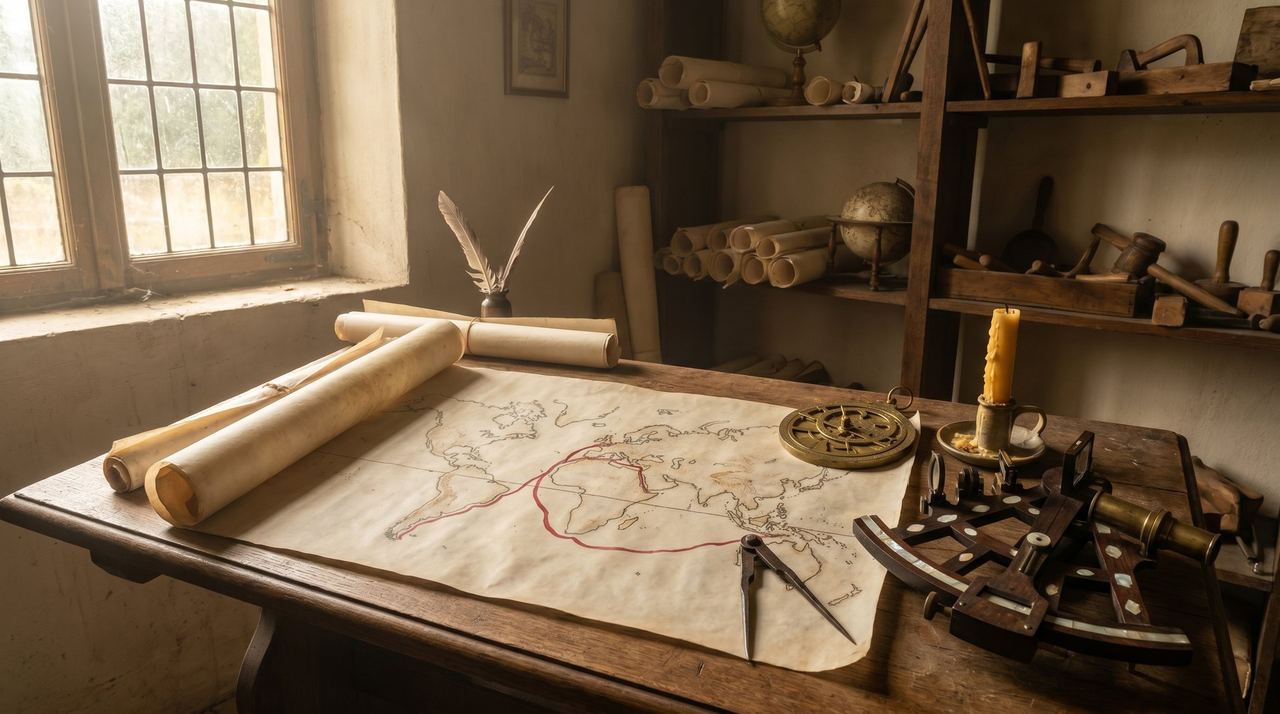
1480 – 1521 CE
Ferdinand Magellan
First to Circle the Earth
Charted a strait at the world's end and named the Pacific — and proved the planet was round.




1853 – 1890 CE
Vincent van Gogh
Painter of the Yellow House
Nine hundred canvases of impossible colour in a single decade — and almost none sold in his lifetime.





1881 – 1973 CE
Pablo Picasso
The Twentieth Century's Eye
From the Blue Period to Cubism to Guernica — the Spaniard who reinvented Western painting four times in one lifetime.


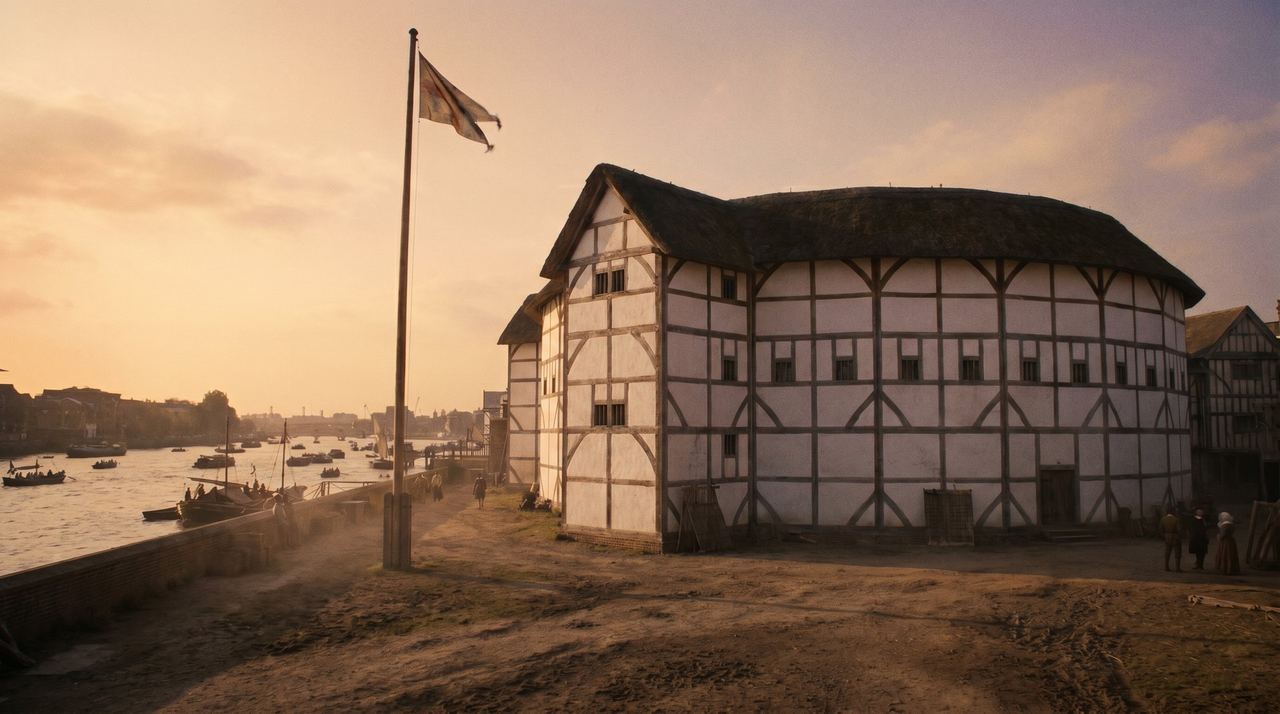
1564 – 1616 CE
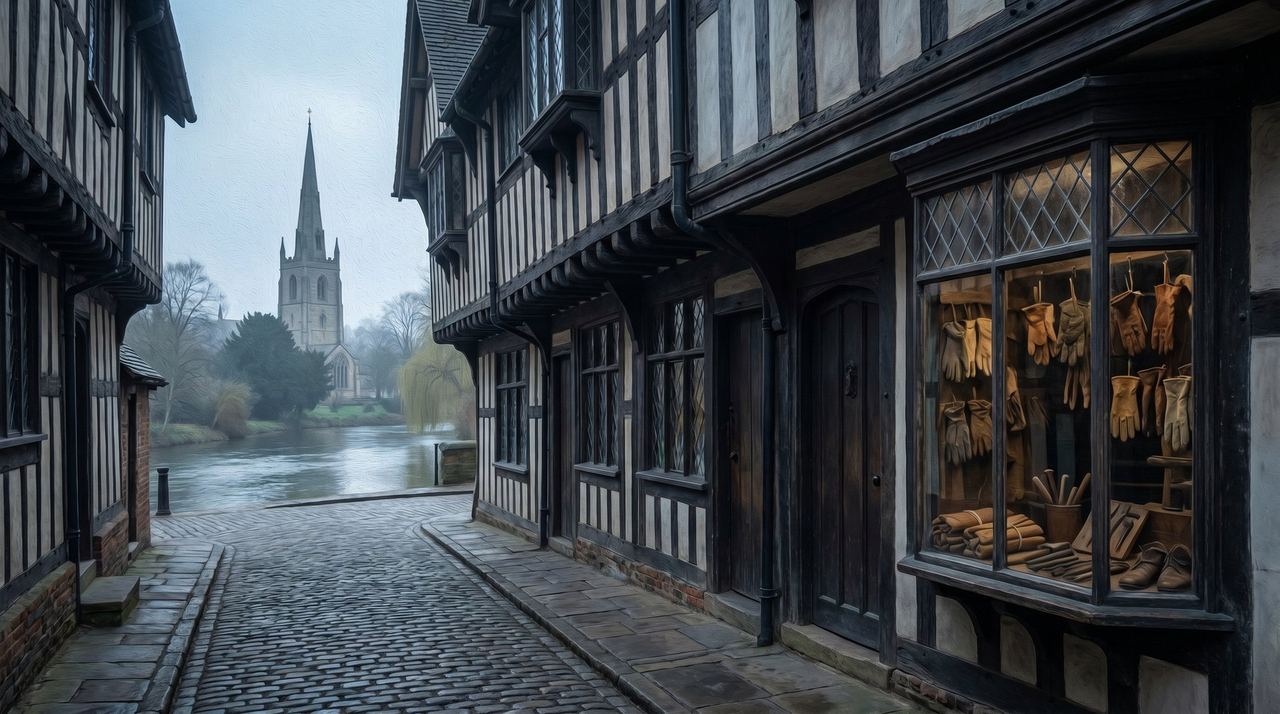
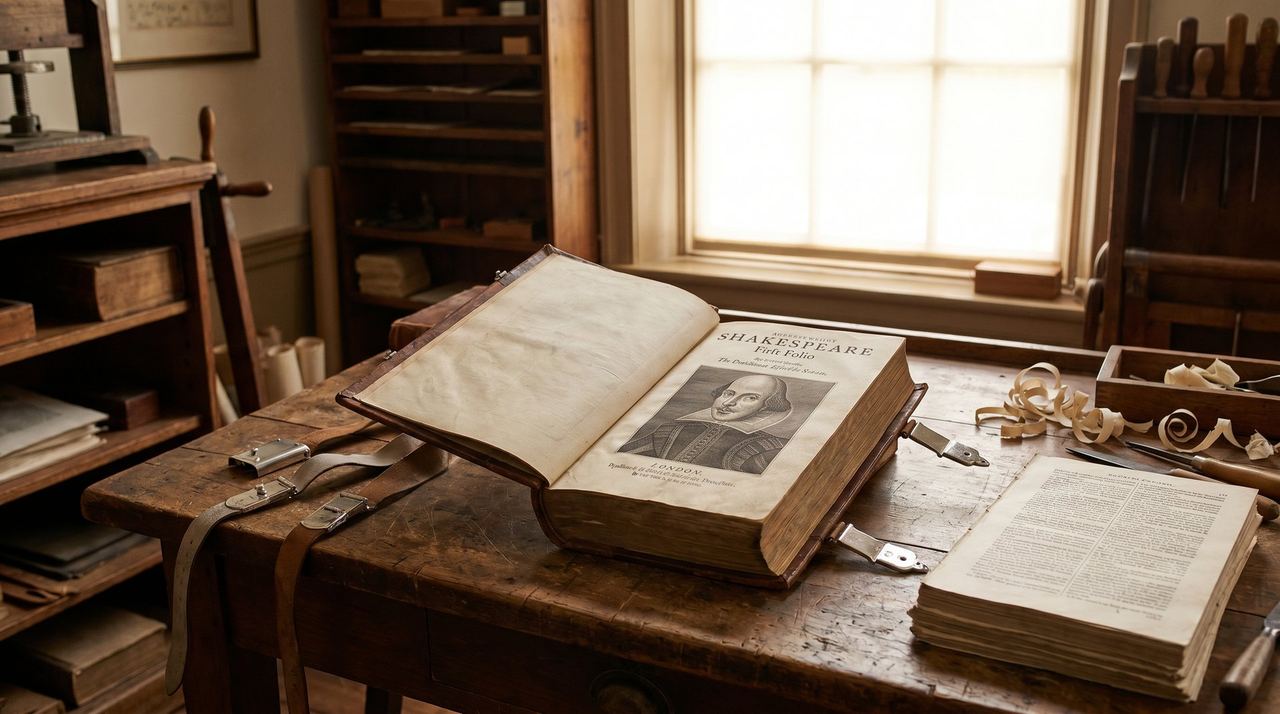
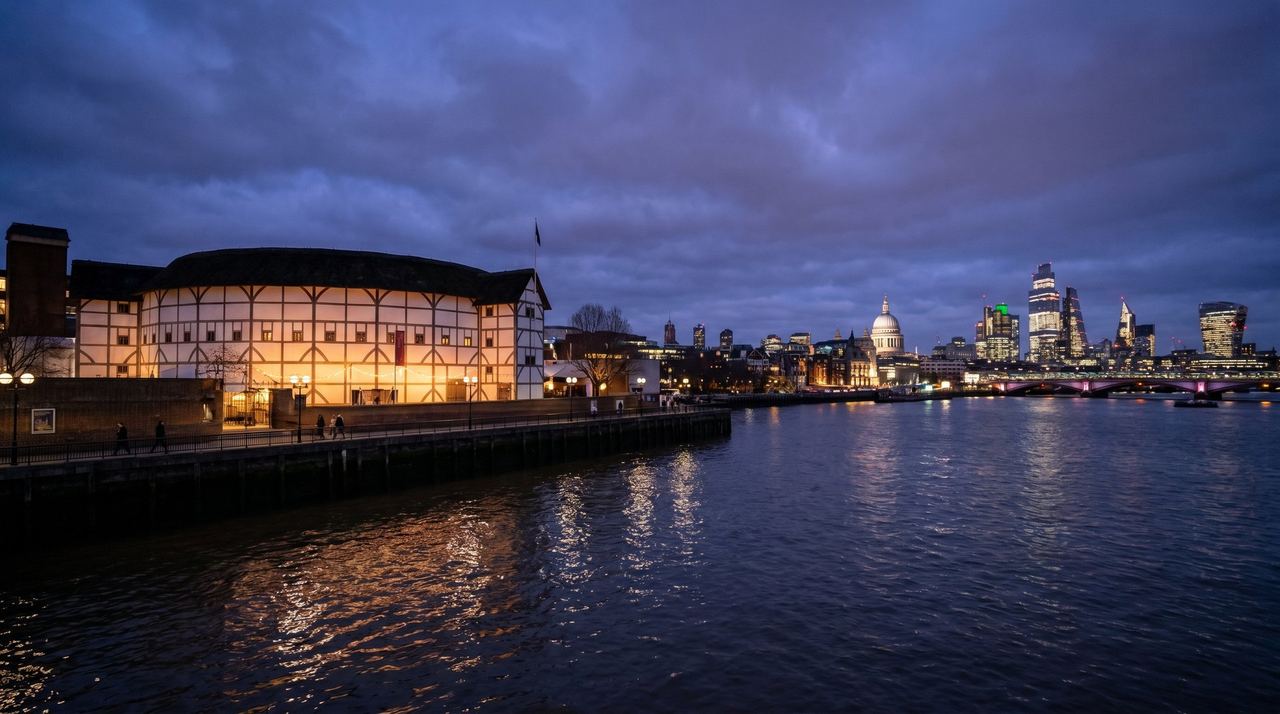
William Shakespeare
The Bard of Avon
The glover's son from Stratford whose thirty-seven plays remade the English language — and have never left the world's stages.



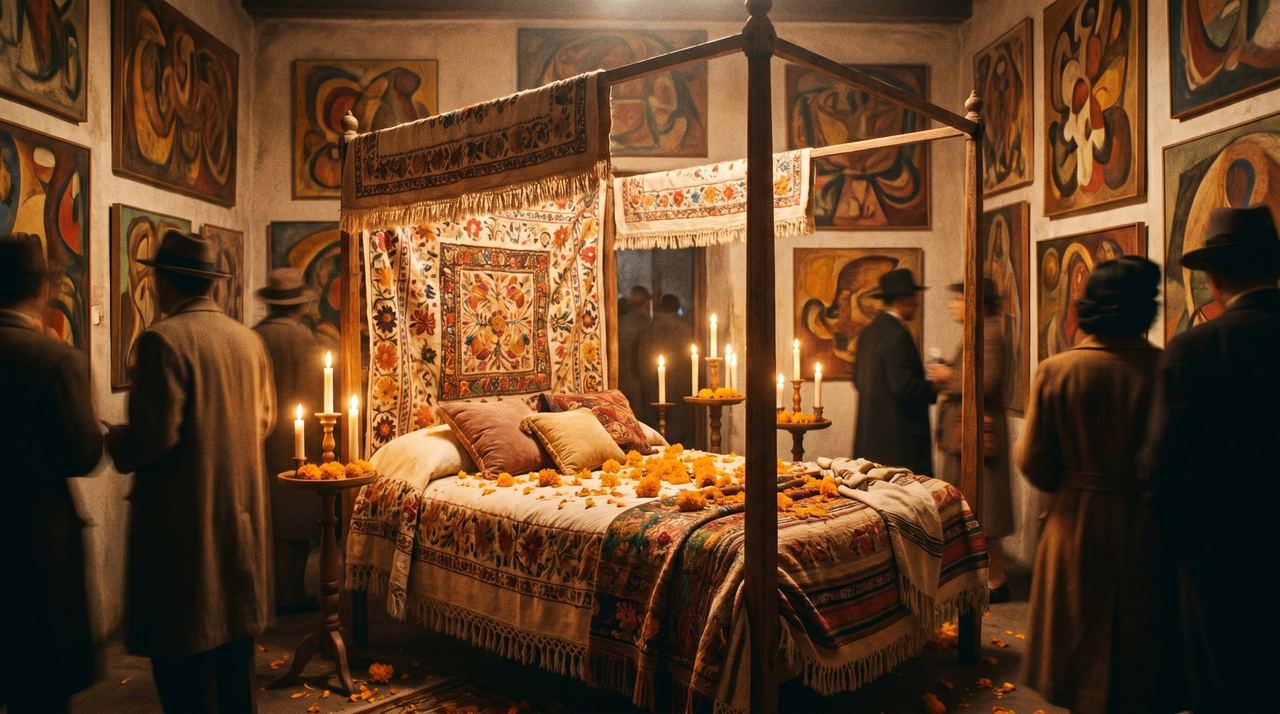
1907 – 1954 CE
Frida Kahlo
Painter of the Wound
Mexico's painter of pain and colour — pinned to the bed she made her studio.

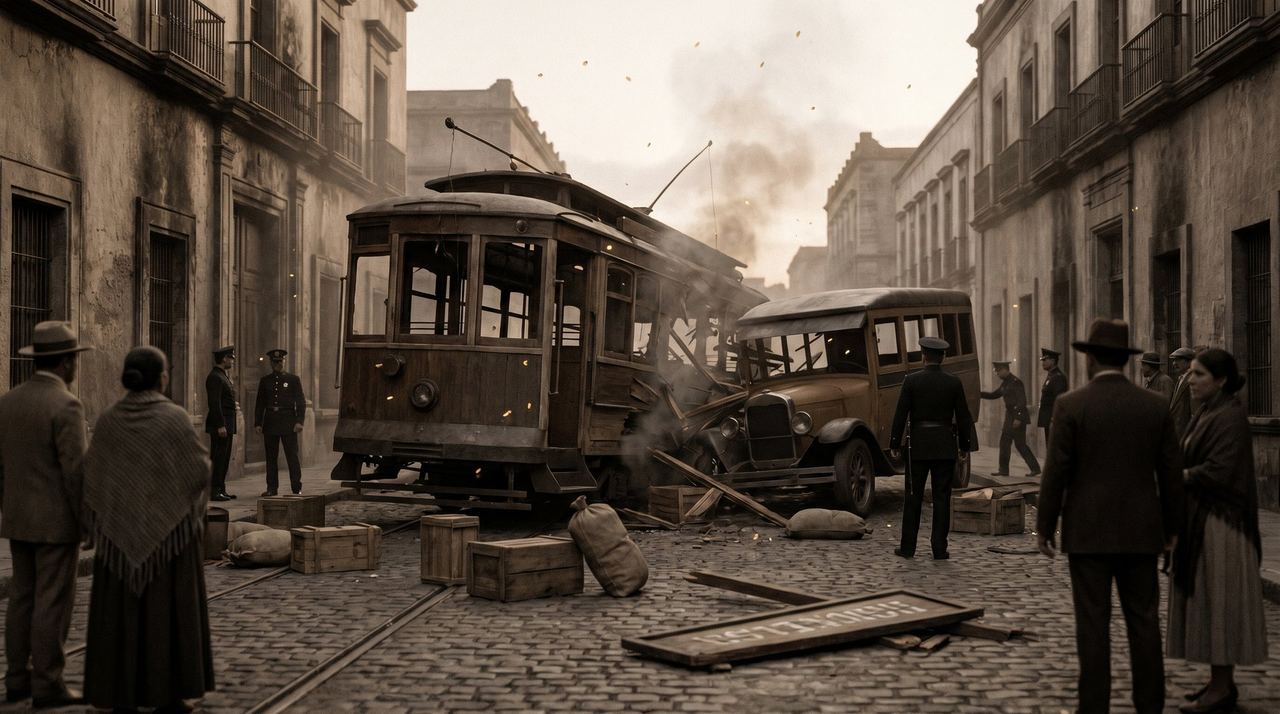



c. 1412 – 1431 CE
Joan of Arc
The Maid of Orléans
A peasant girl who heard saints, lifted a siege, crowned a king — and was burned at nineteen.


1820 – 1910 CE
Florence Nightingale
The Lady with the Lamp
Walked the wards of Crimea by lamplight — and built modern nursing on statistics and reform.


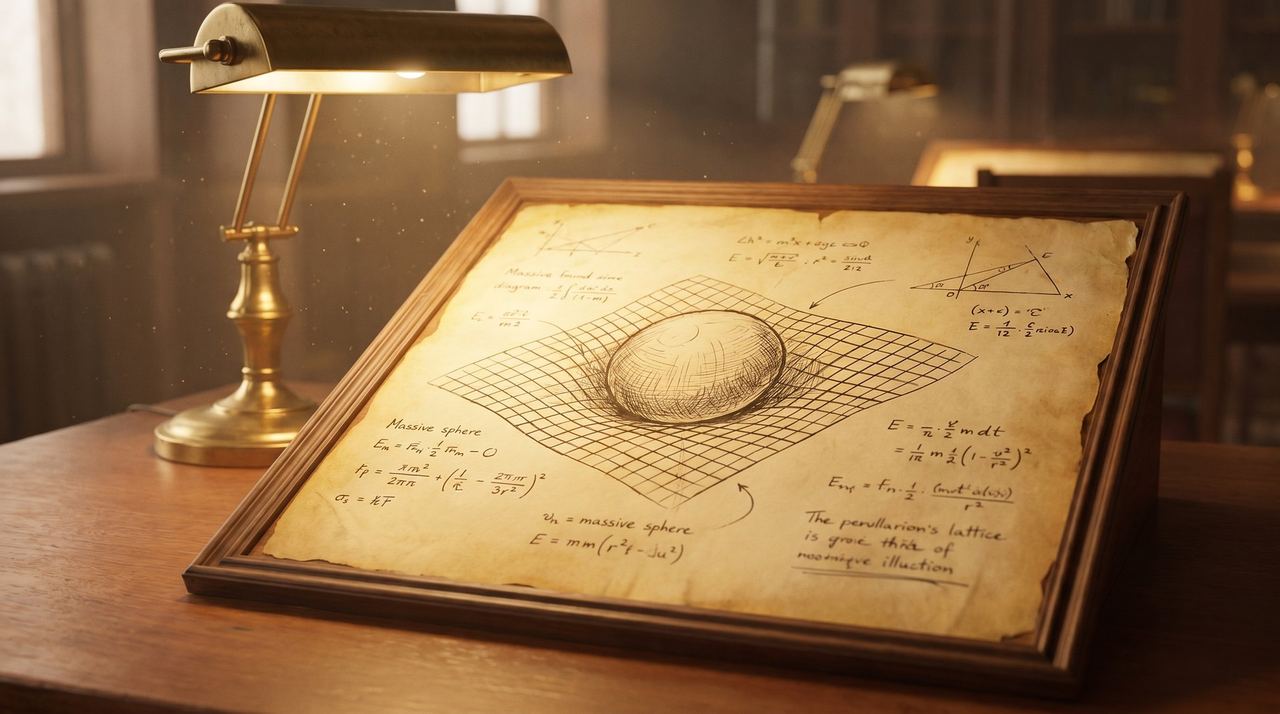
1879 – 1955 CE
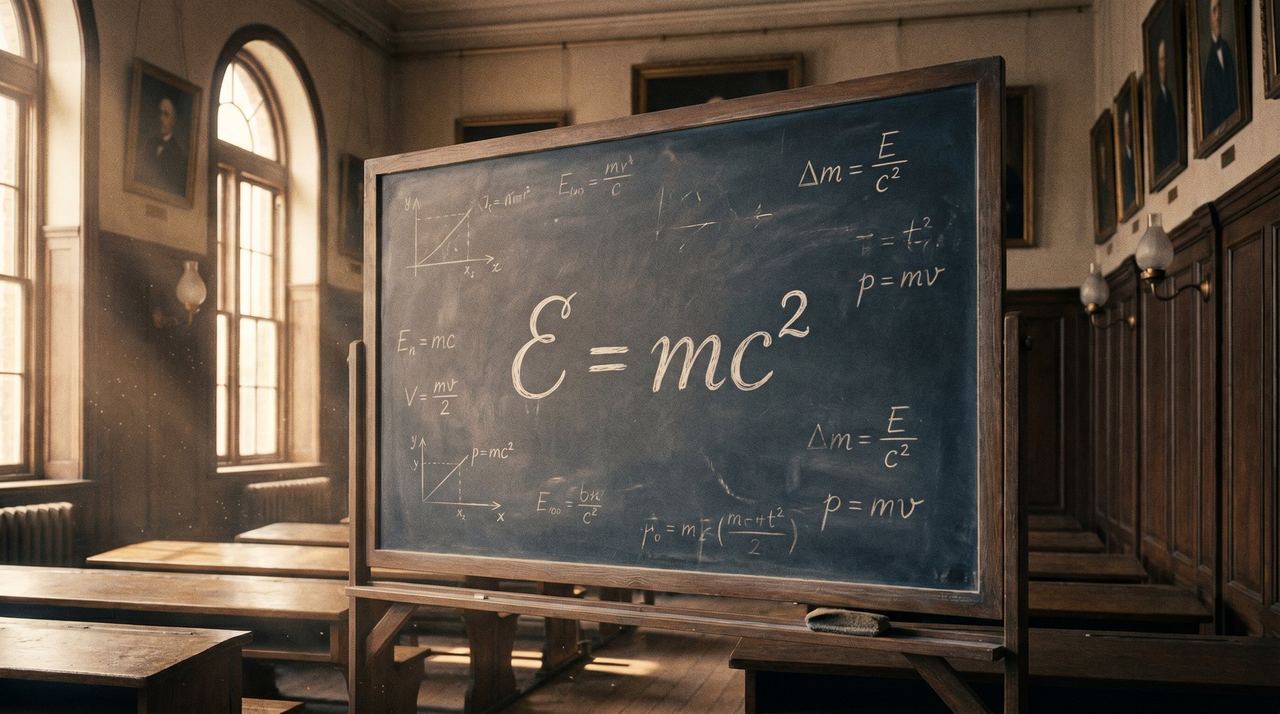
Albert Einstein
The Architecture of Spacetime
The patent clerk who rewrote physics — and whose equations still describe every black hole and every GPS signal.
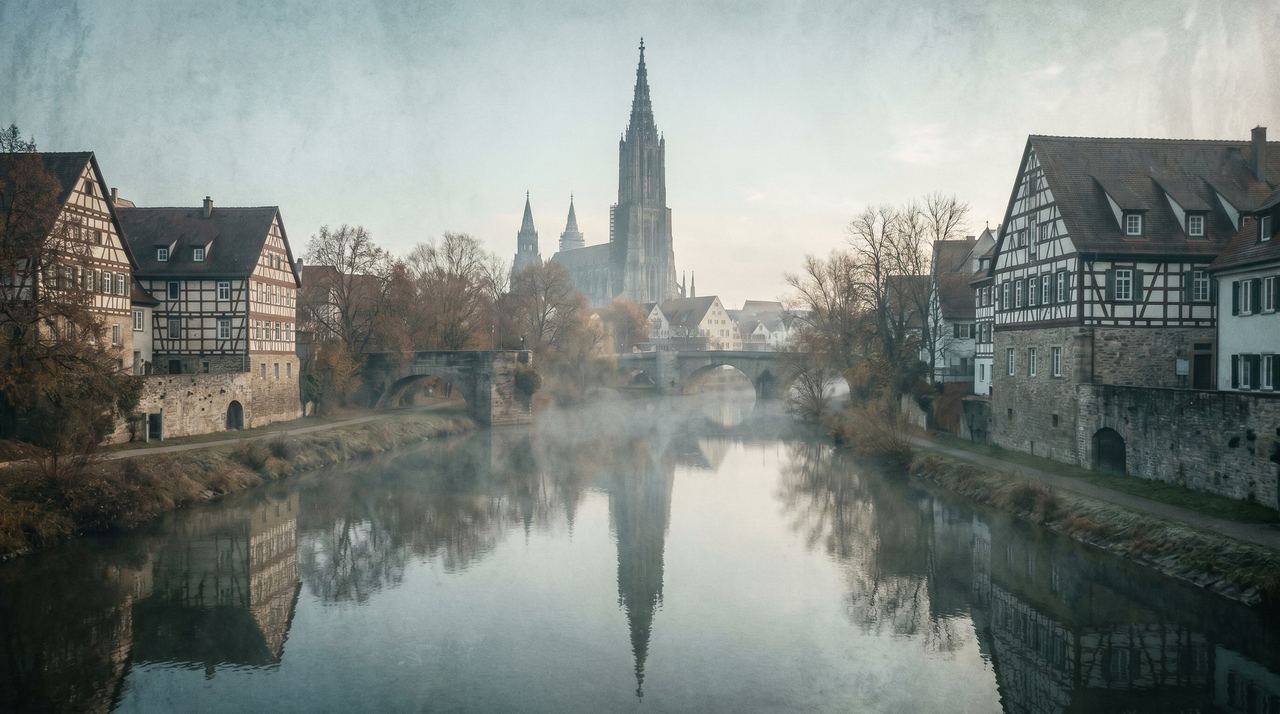


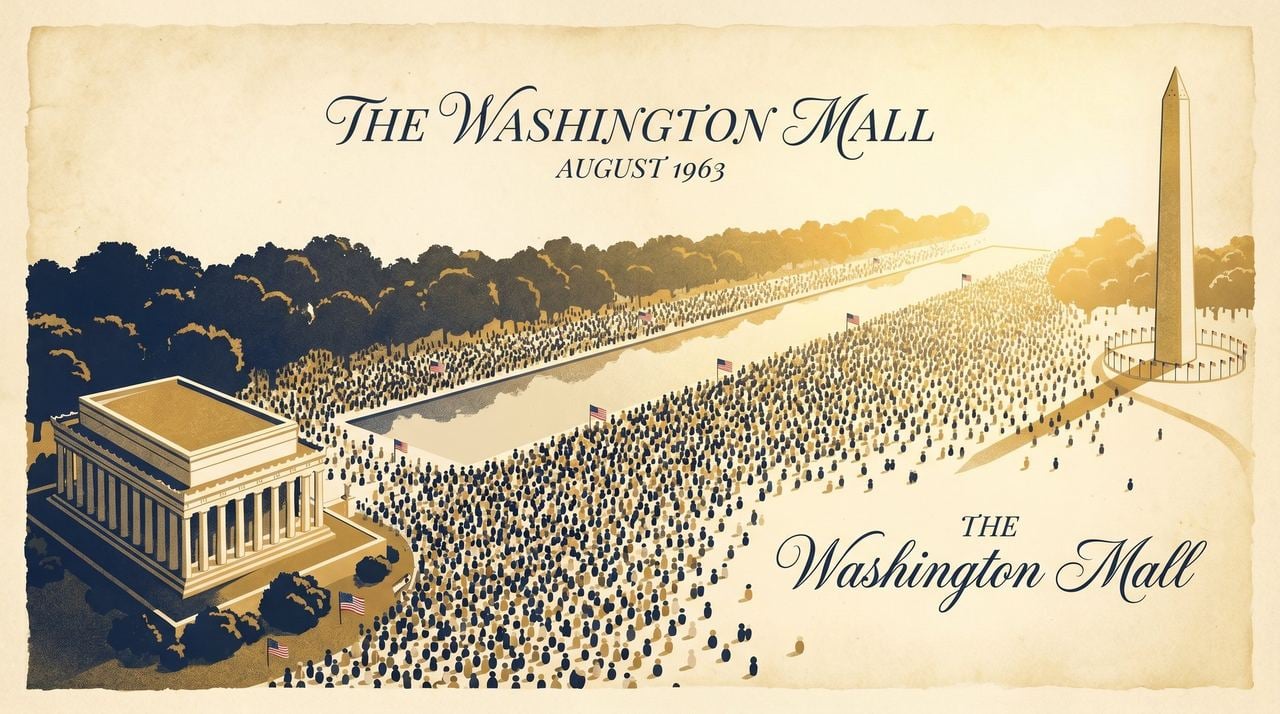
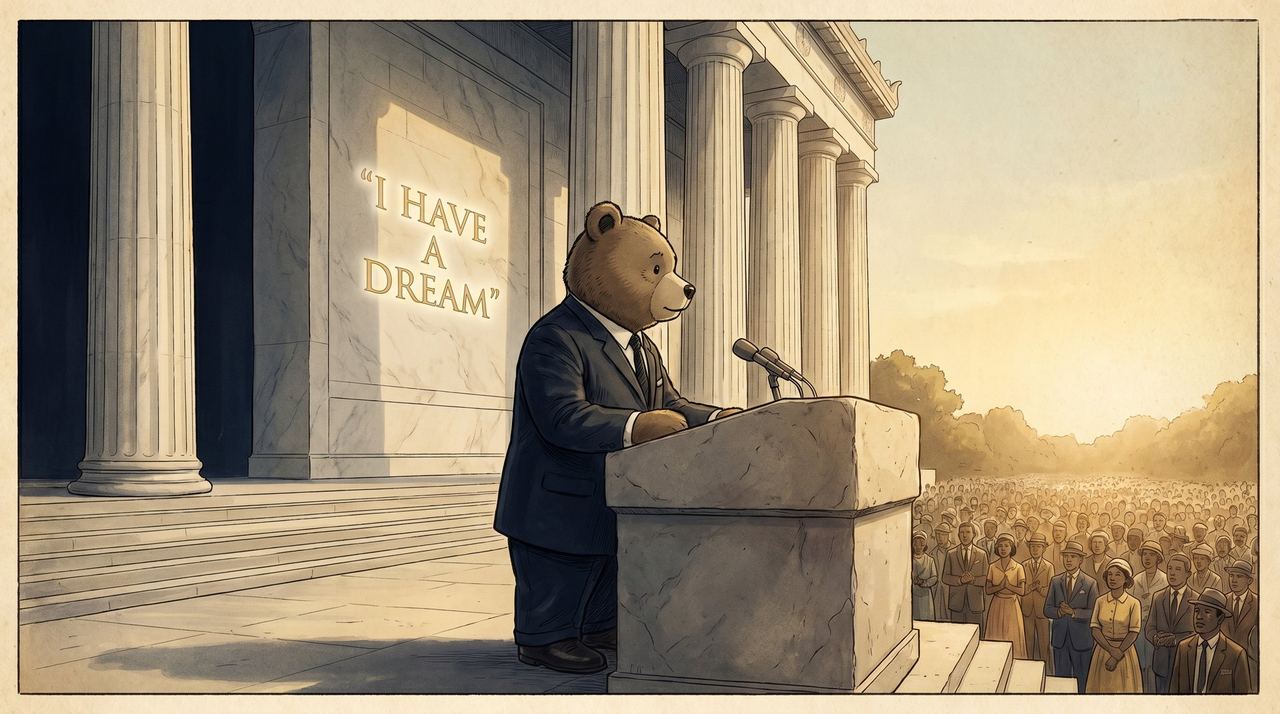
1929 – 1968 CE
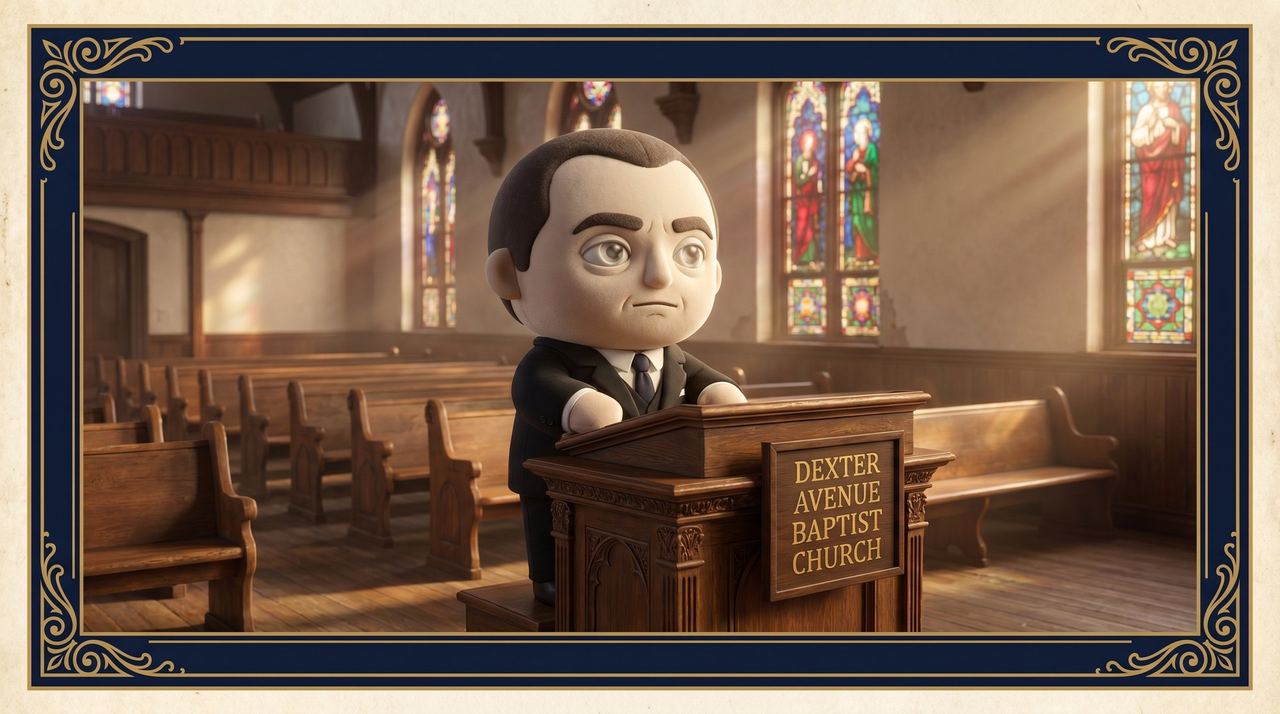
Martin Luther King Jr.
I Have a Dream
The Atlanta-born preacher whose nonviolent direct action ended American legal segregation — and got him killed at thirty-nine.



1869 – 1948 CE
Mahatma Gandhi
The Salt March
The Indian lawyer who picked up a spinning wheel — and brought the British Empire to its knees by walking to the sea.


1815 – 1852 CE
Ada Lovelace
The First Programmer
Byron's daughter who saw, before anyone else, that a machine could compose music and not merely numbers.




1452 – 1519 CE
Leonardo da Vinci
The Unfinished Man
Painter, engineer, dreamer — the Renaissance polymath who left thirteen thousand notebook pages of futures the world had not yet caught up with.


1830 – 1886 CE
Emily Dickinson
The Hermit of Amherst
Eighteen hundred poems no one saw in her lifetime — and the central voice of American poetry after her death.


121 – 180 CE
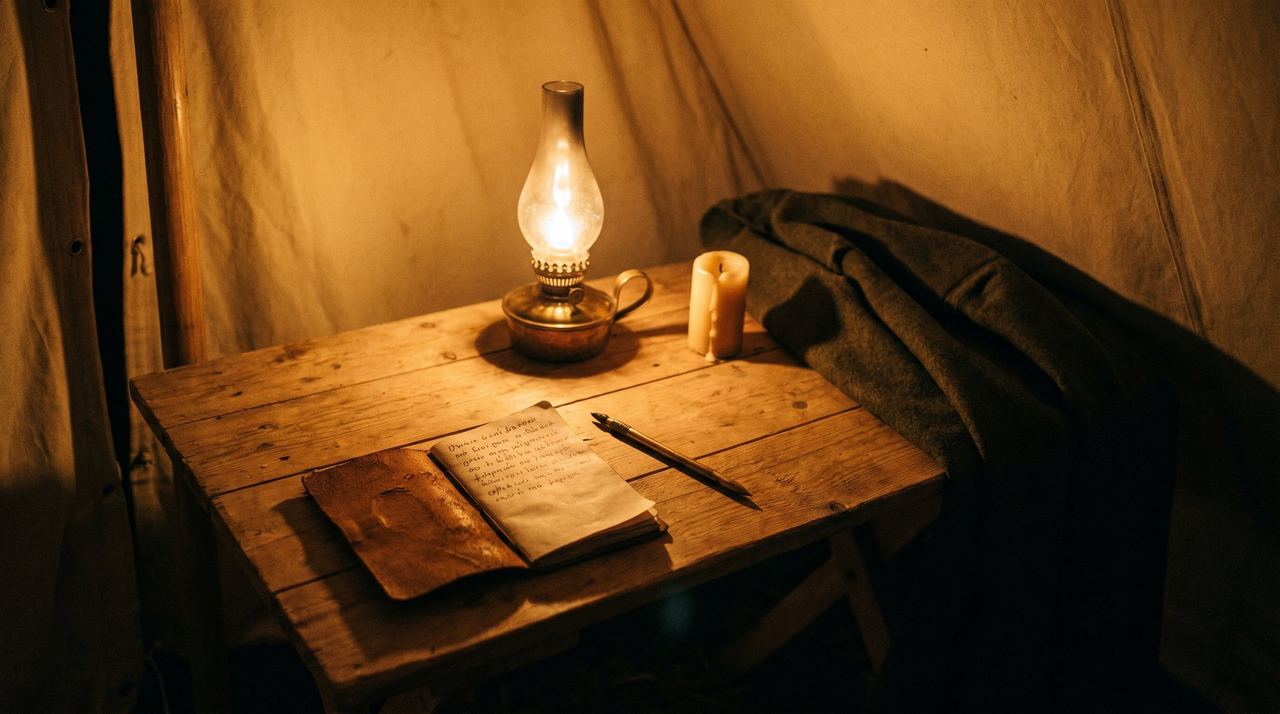
Marcus Aurelius
Philosopher Emperor
The Stoic emperor of Rome who wrote his most enduring book by candlelight, in his own hand, only to himself.




c. 360 – 415 CE
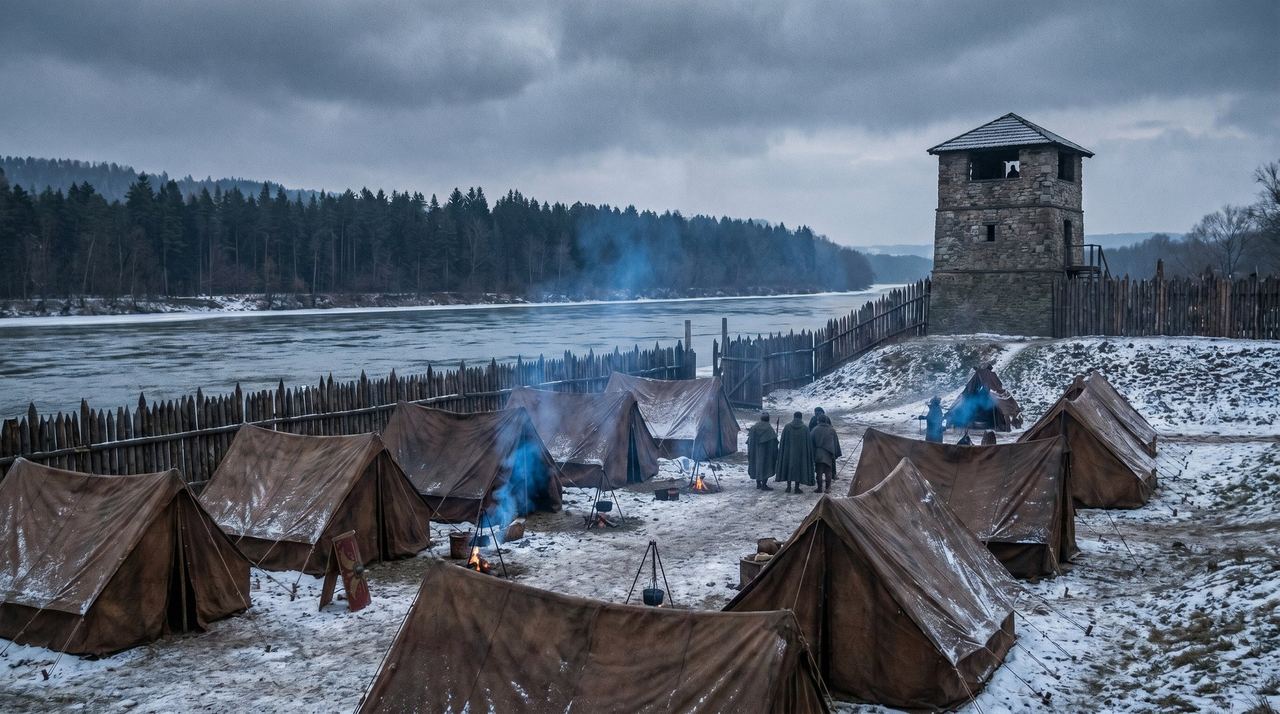
Hypatia of Alexandria
The Last Teacher of the Museum
The Neoplatonist mathematician whose lectures filled Alexandria — and whose name became a torch carried through the centuries.


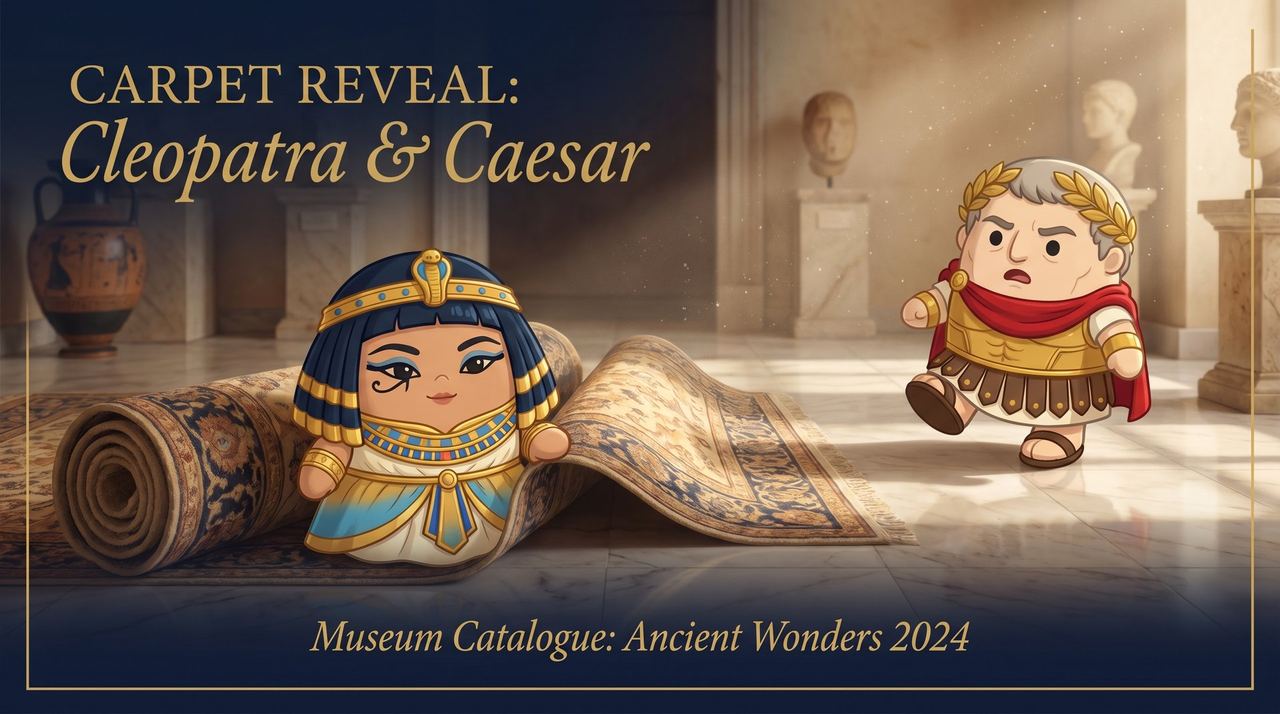
69 – 30 BCE
Cleopatra VII
The Last Pharaoh
Greek by lineage, Egyptian by sovereignty, Roman by entanglement — fluent in nine languages, outmanoeuvred only at the very end.


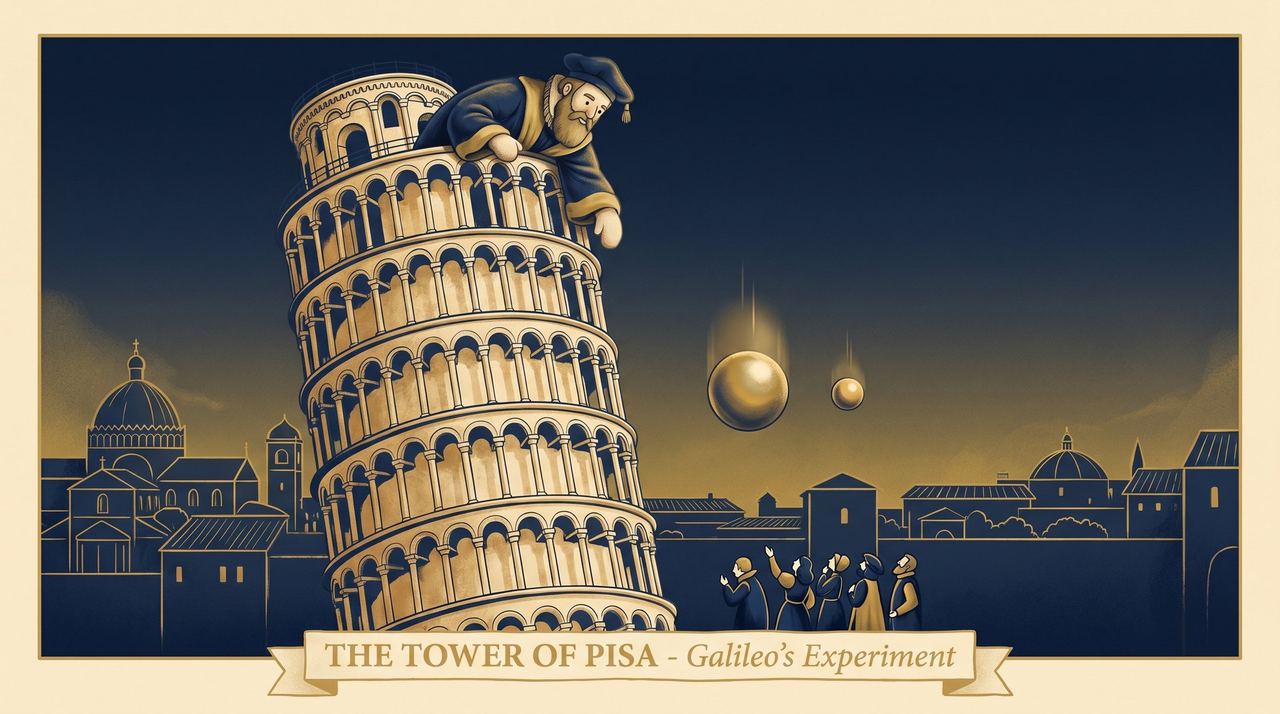
1564 – 1642 CE
Galileo Galilei
And Yet It Moves
The Tuscan polymath who built better telescopes than anyone in Europe — and saw the universe loose from its anchor.



c. 973 – 1014 CE
Murasaki Shikibu
Mother of the Novel
A Heian widow with a brush and a thousand-year-old story.


1809 – 1865 CE
Abraham Lincoln
The Emancipator
Born in a Kentucky log cabin, self-taught into the law — and the president who held the Union together through its civil war.


1666 · Woolsthorpe Manor
Isaac Newton
The Apple Falls
Cambridge plague closes the colleges; he goes home to Lincolnshire and finds a single law for falling apples and falling moons.


More Episodes are minted weekly. Follow the channel and check back.